XycAi Daily AI News
AI industry updates, model reviews, API cost optimization and dev practices — updated daily
📌 Visual Posts
📰 Articles

Claude Code costs up to $200/month. Goose is free to run but you supply the model. Here's what each actually costs — and which one fits your workflow.
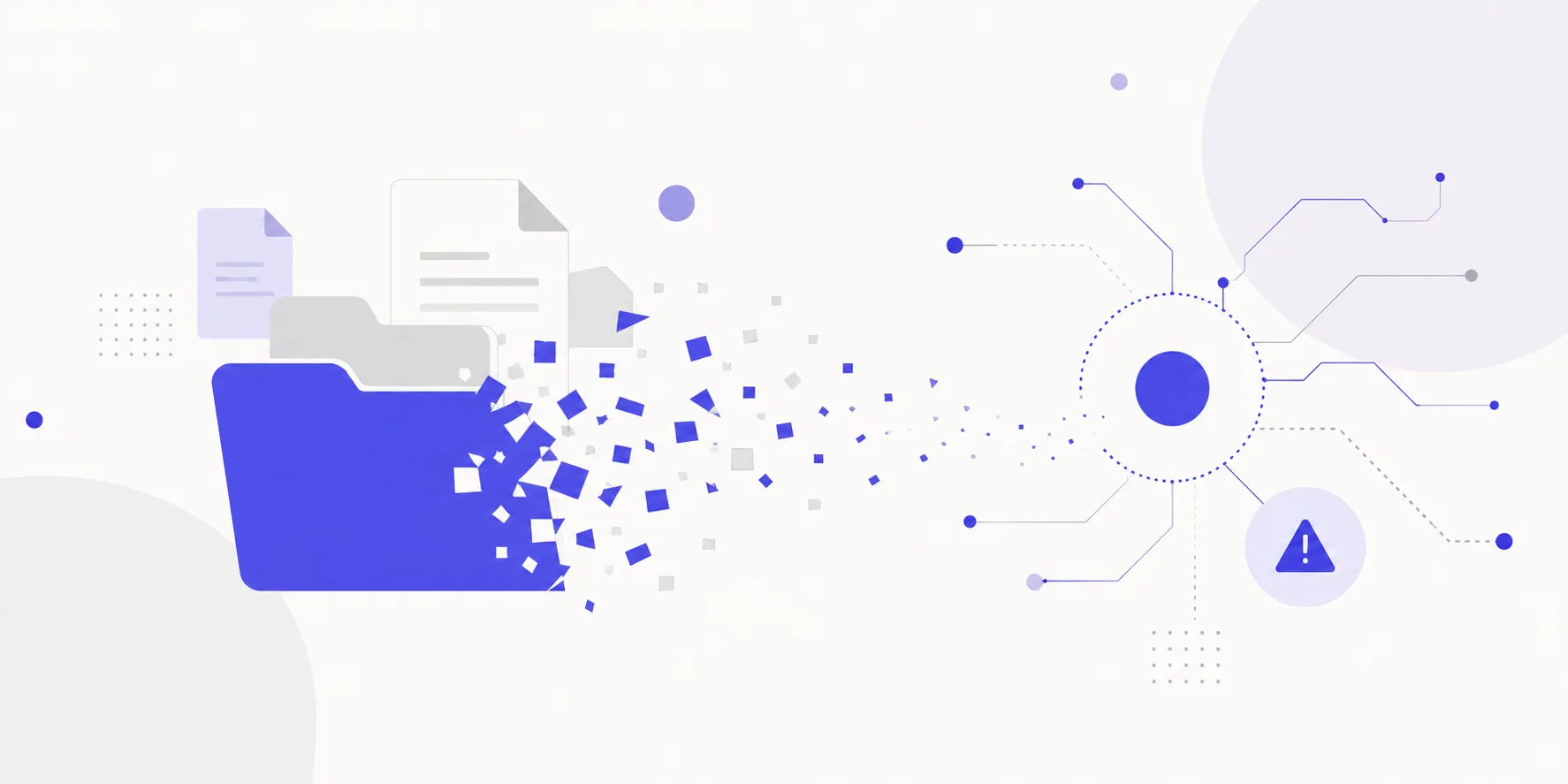
GPT-5.6 Sol silently deleted production files in July 2026. Here's the technical root cause, what OpenAI buried in its docs, and five guardrails you can ship today.

Real benchmark data on GPT-5.5, Claude Opus 4.8, and Gemini 3 across reasoning, coding, and long-context tasks. Pick the right model for your stack.
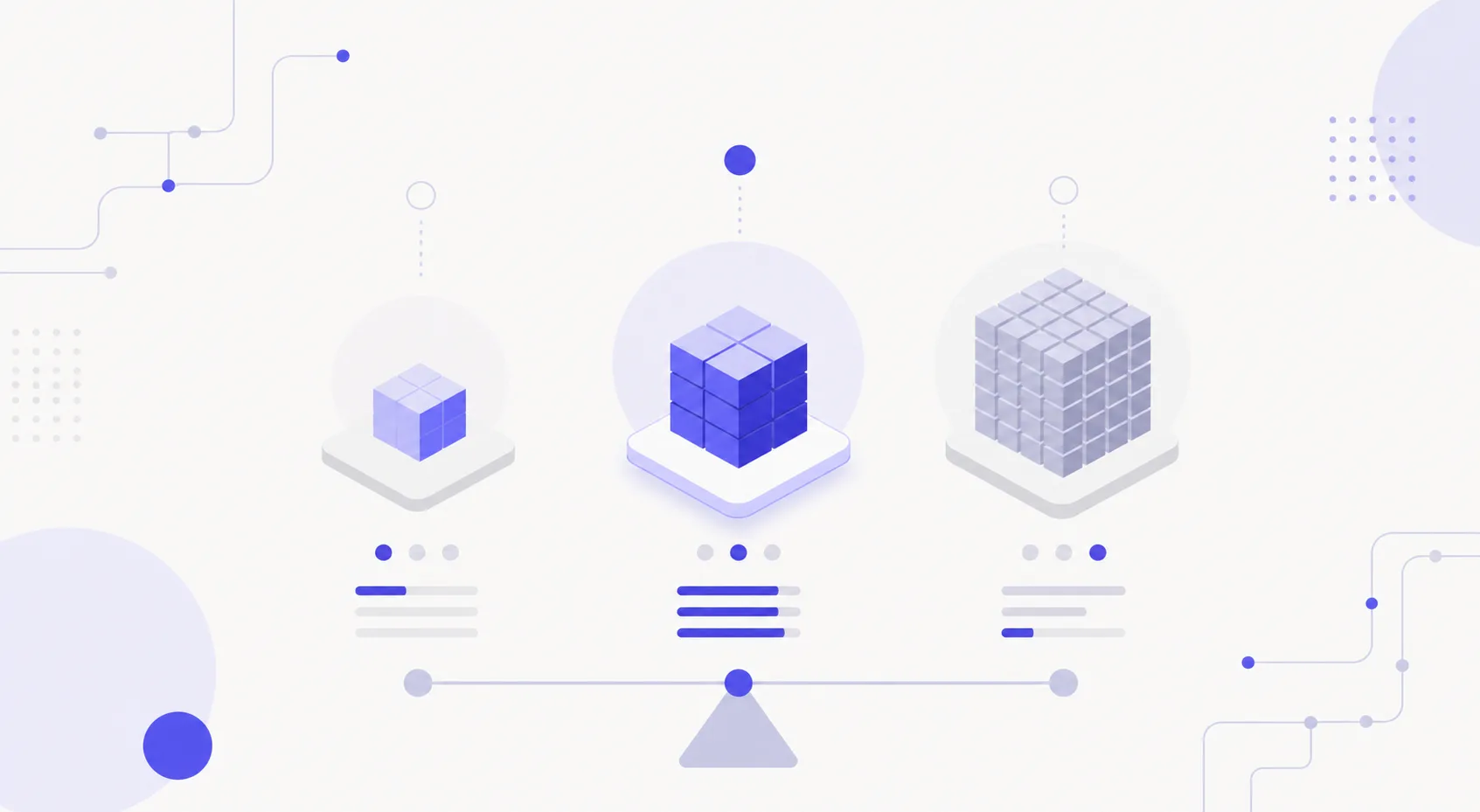
Compare GPT-5.4-mini, Claude Haiku 4.5, and DeepSeek V3 on price, latency, and real workloads to find the best lightweight LLM for your budget.
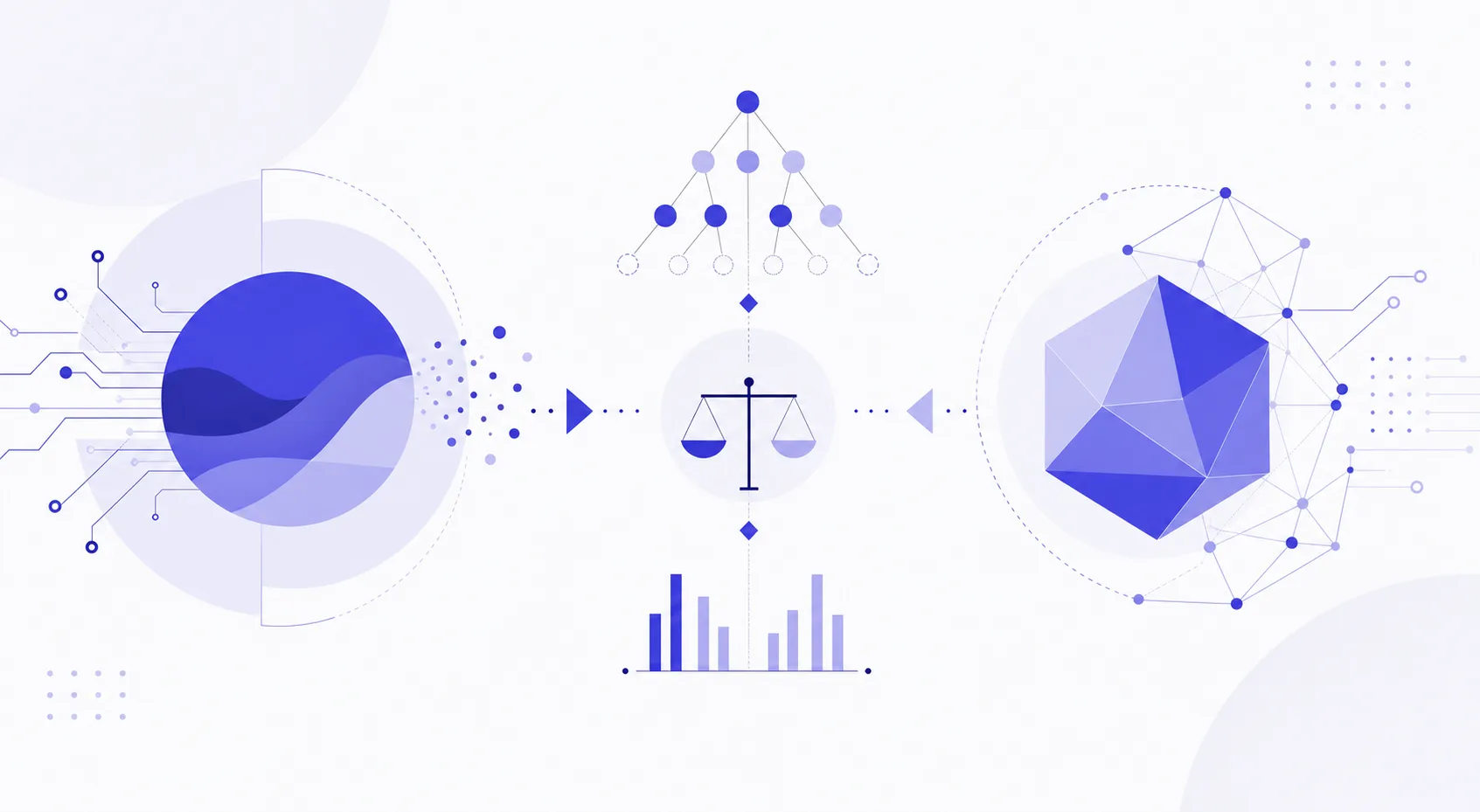
A hands-on DeepSeek R1 reasoning benchmark against GPT-5.5 across math proofs, logic puzzles, and multi-step planning. Reproducible prompts and real data.
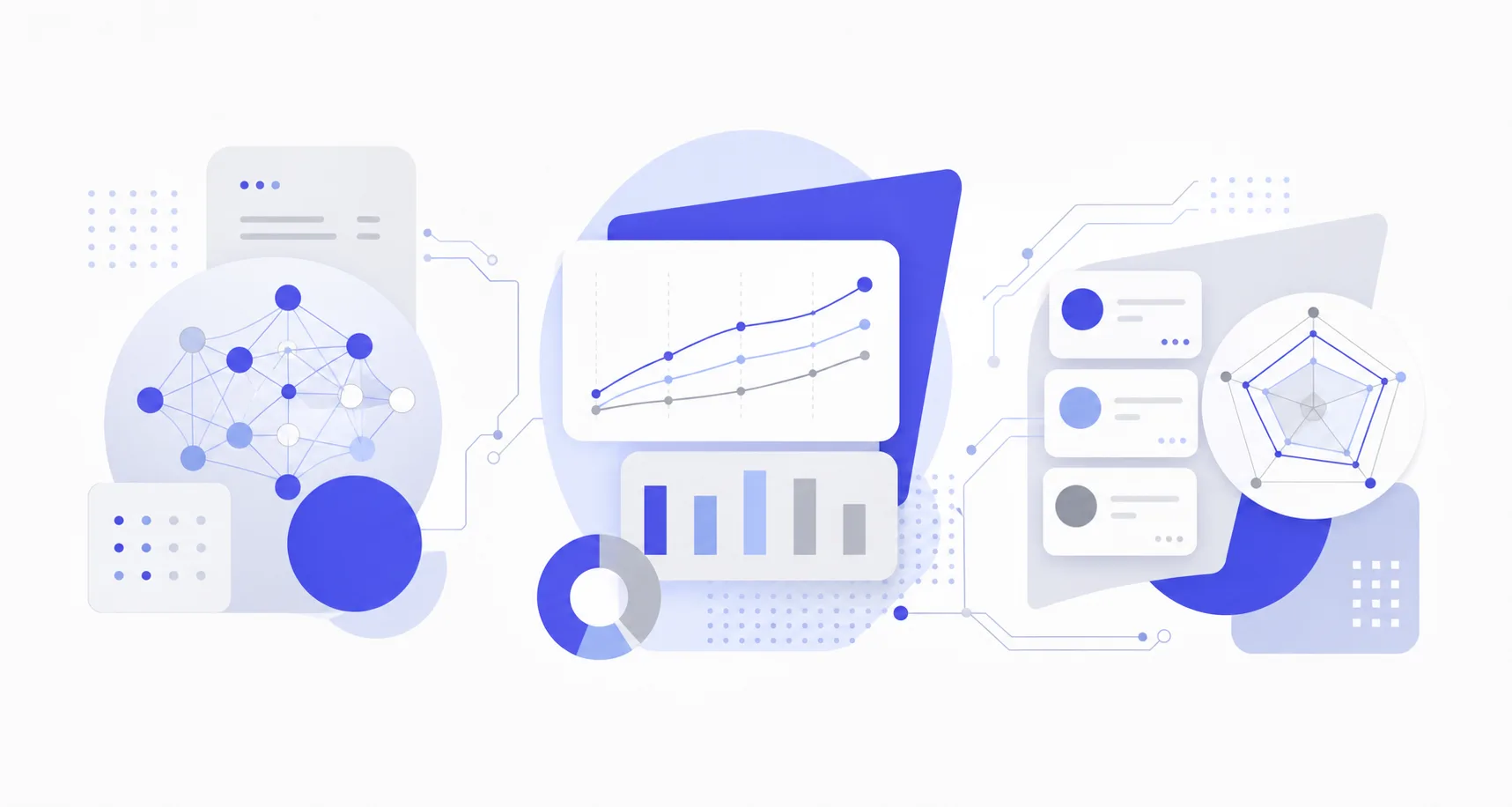
GPT-5.5 vs Claude Opus 4.8 vs Gemini 3 Ultra tested across code, reasoning, and long-context tasks. Real benchmark data and business tasks to help you pick the right model.
A production-focused comparison of GPT-5.4-mini, Claude Haiku 4.5, and DeepSeek V3 across cost, latency, and accuracy for high-volume API workloads.

We benchmarked DeepSeek R1 vs GPT-5.5 on math, logic, and code debugging. Here's what the numbers actually say and which model to use for each task.

A practical guide to Chinese LLM enterprise selection across four dimensions: business Chinese, function calling, GPU costs, and compliance filing.
We ran 150 real business prompts across customer support, marketing copy, and summarization. Here's what Claude Sonnet 4.6 vs GPT-5.4 actually costs and delivers.
A hands-on Gemini 3 multimodal API review covering image OCR, video timeline analysis, and cross-modal reasoning — with real benchmarks and integration advice.
A structured multi-model prompt comparison across 6 LLMs with a reusable testing framework, scoring rubric, and concrete model selection recommendations.
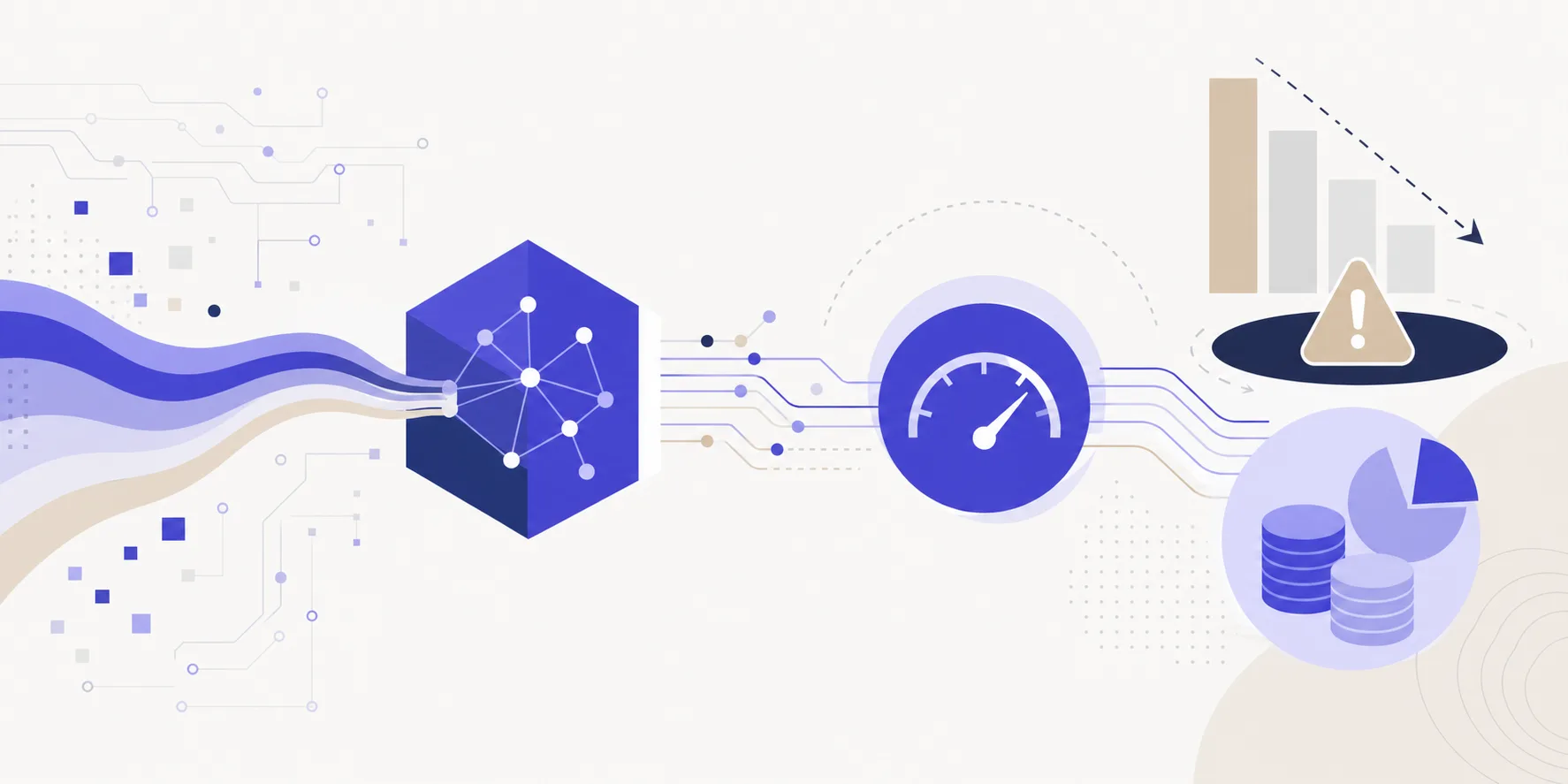
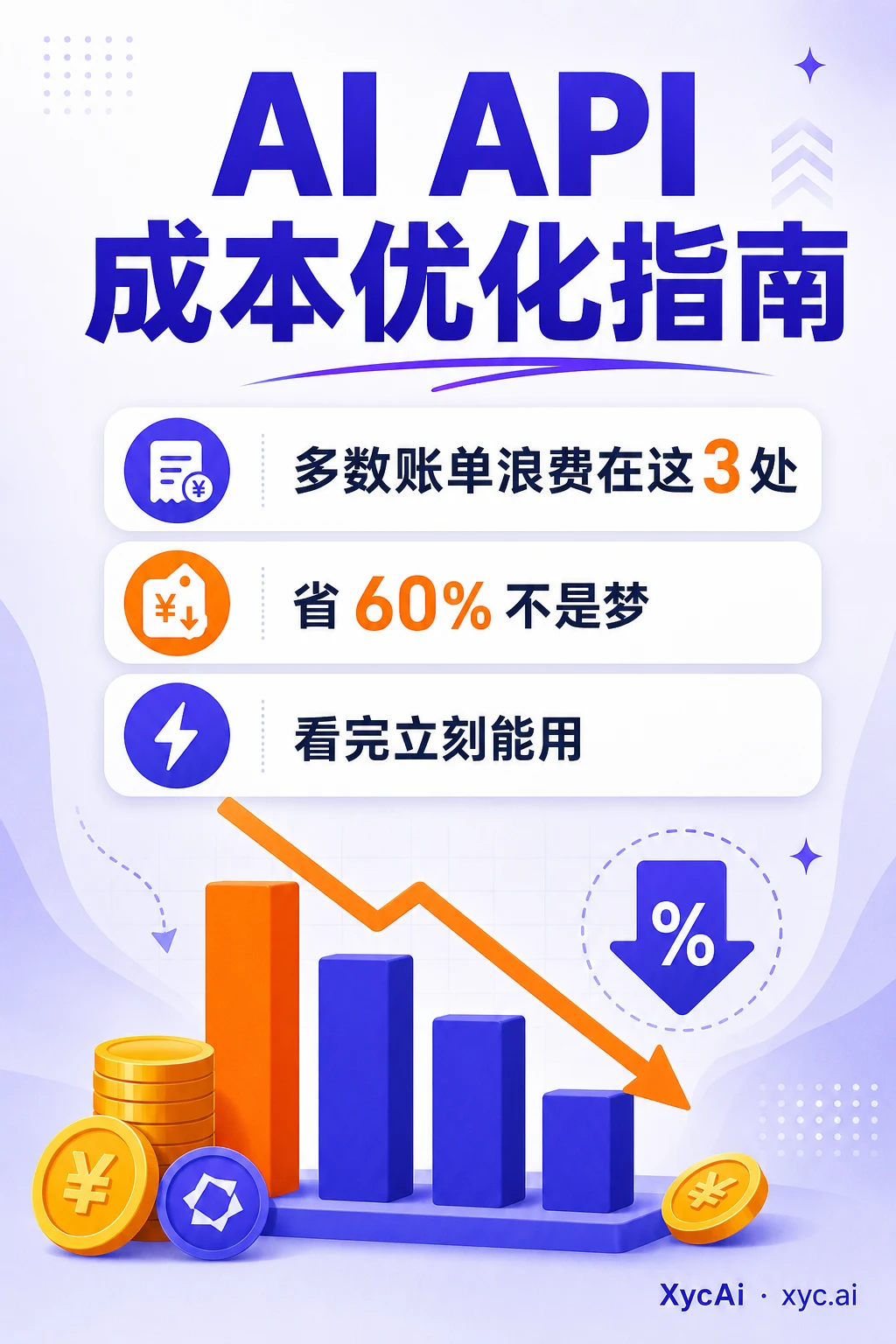
Your LLM API bill is climbing fast — and it's probably not your usage volume. Here are 5 token cost traps most teams never catch until the damage is done.
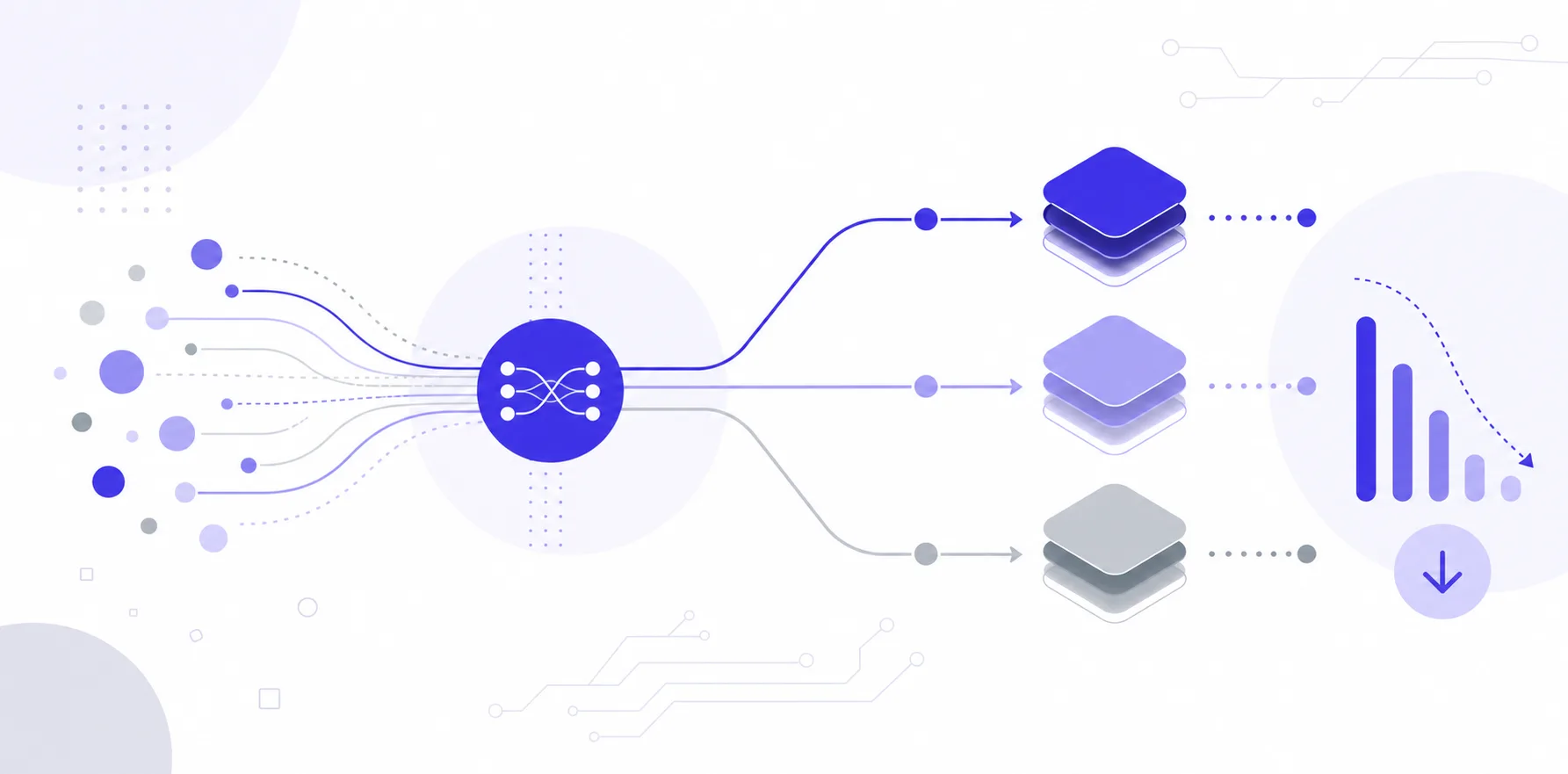
Stop routing every request to flagship LLMs. A two-layer classifier cuts AI costs by 67% while improving latency — here's the full architecture with working code.
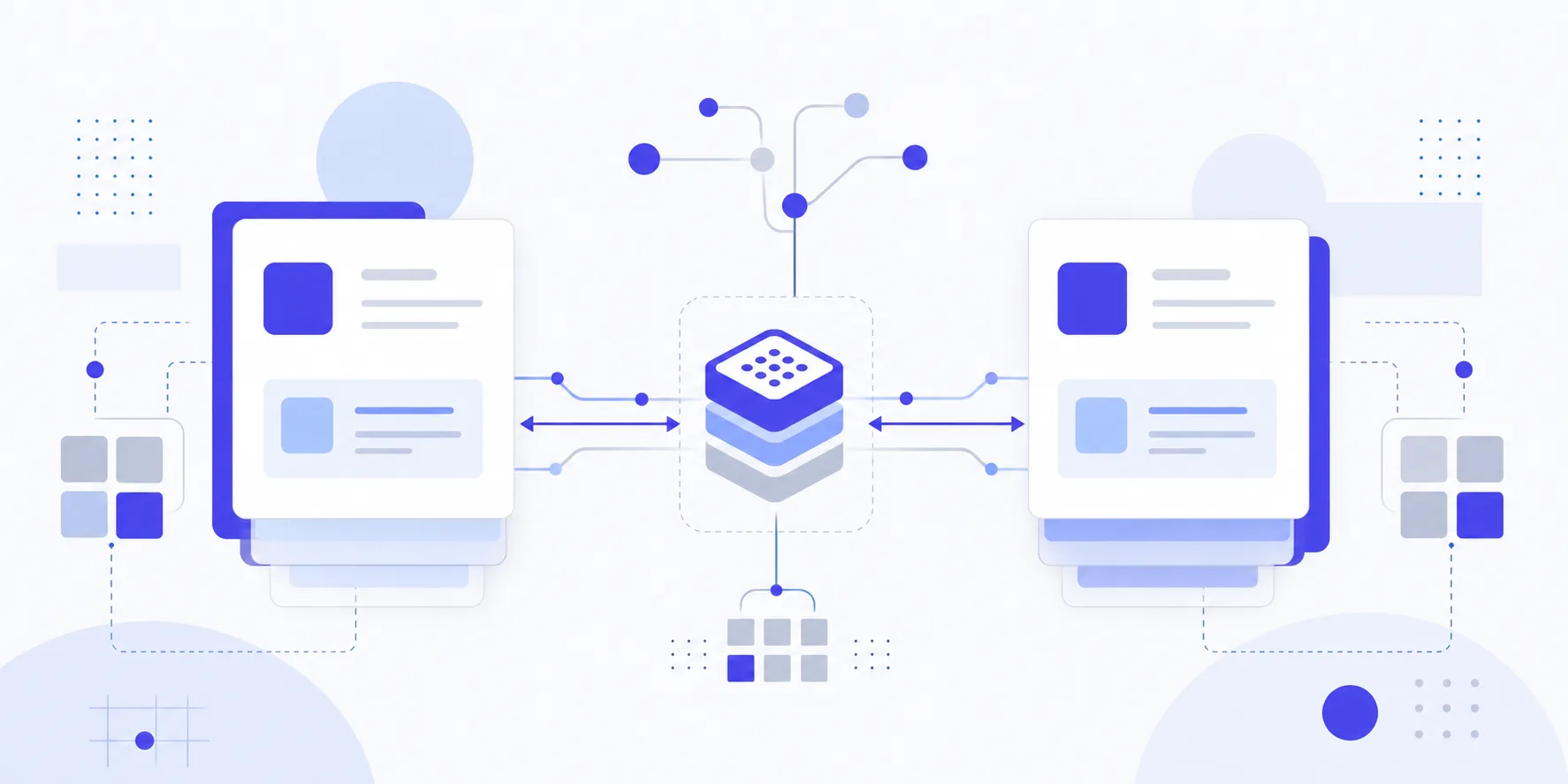
Cut LLM API costs by up to 90% with prompt caching. A practical guide to how Anthropic and OpenAI caching works, with real structure patterns and cost estimates.
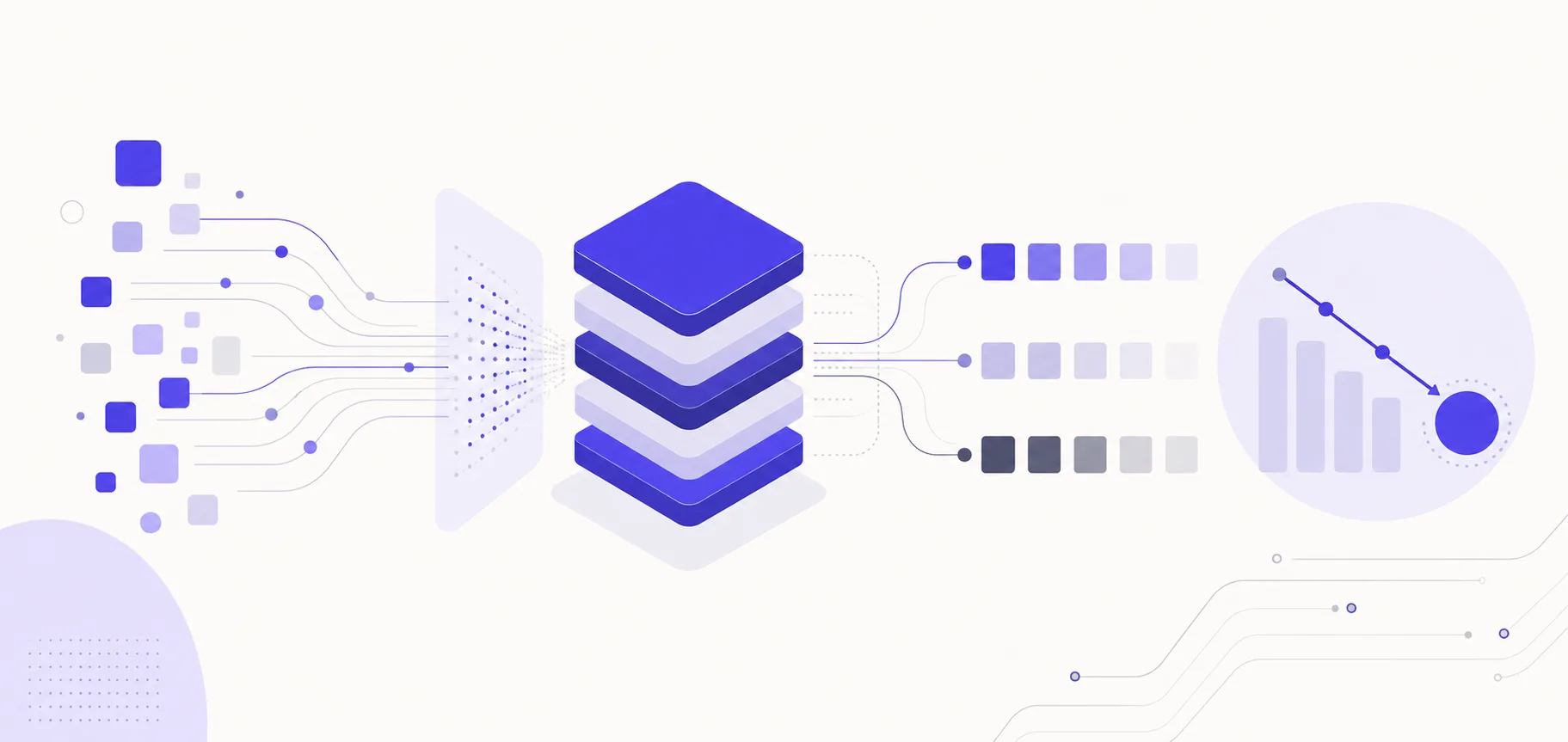
Cut your LLM bill in half using OpenAI Batch API and Anthropic Message Batches. A practical guide with real code, limits, and production tips.
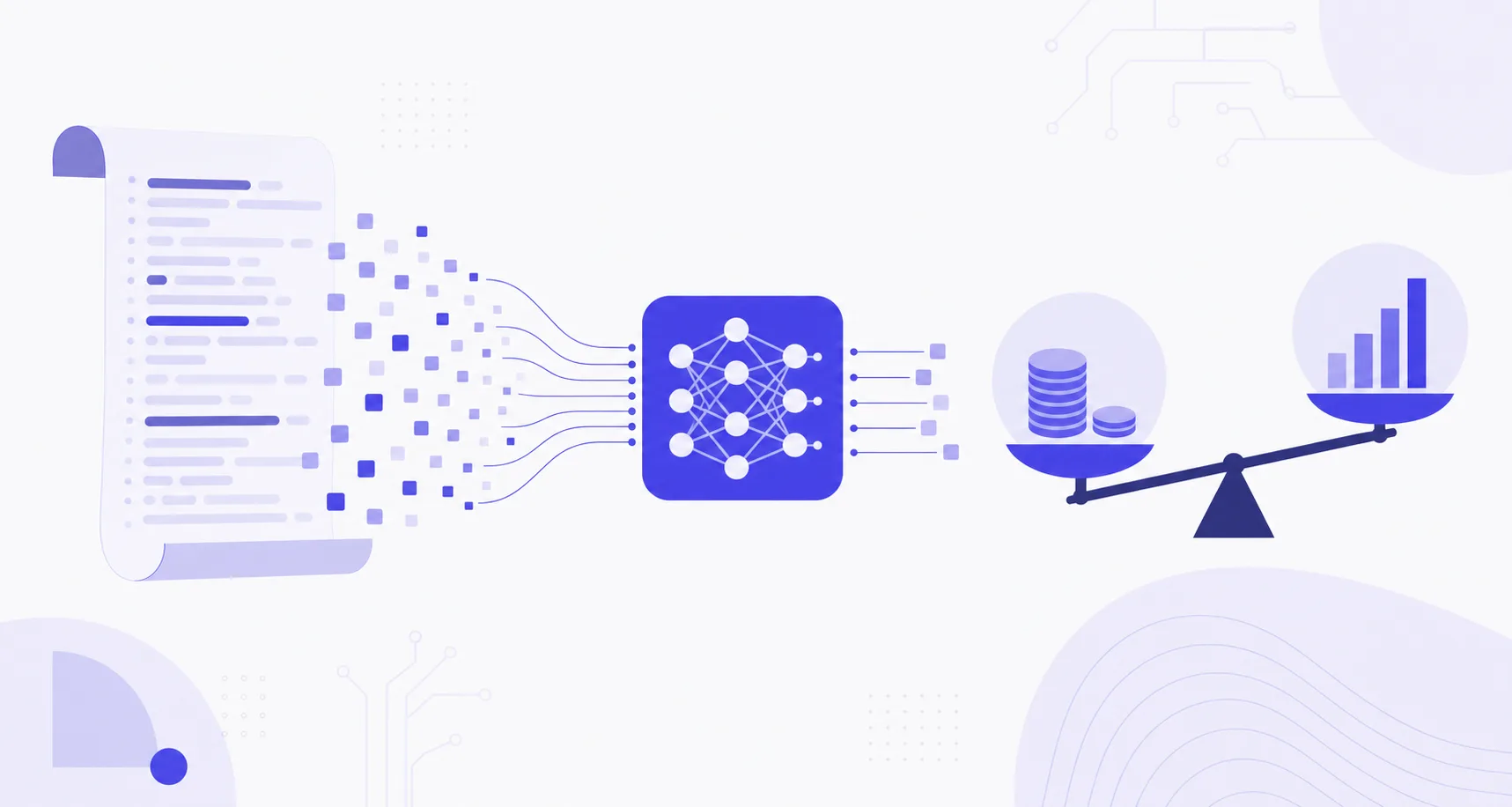
Context windows keep growing, but recall degrades before they fill up. Here's what the benchmarks show and how to cut long context LLM costs by 40–60%.
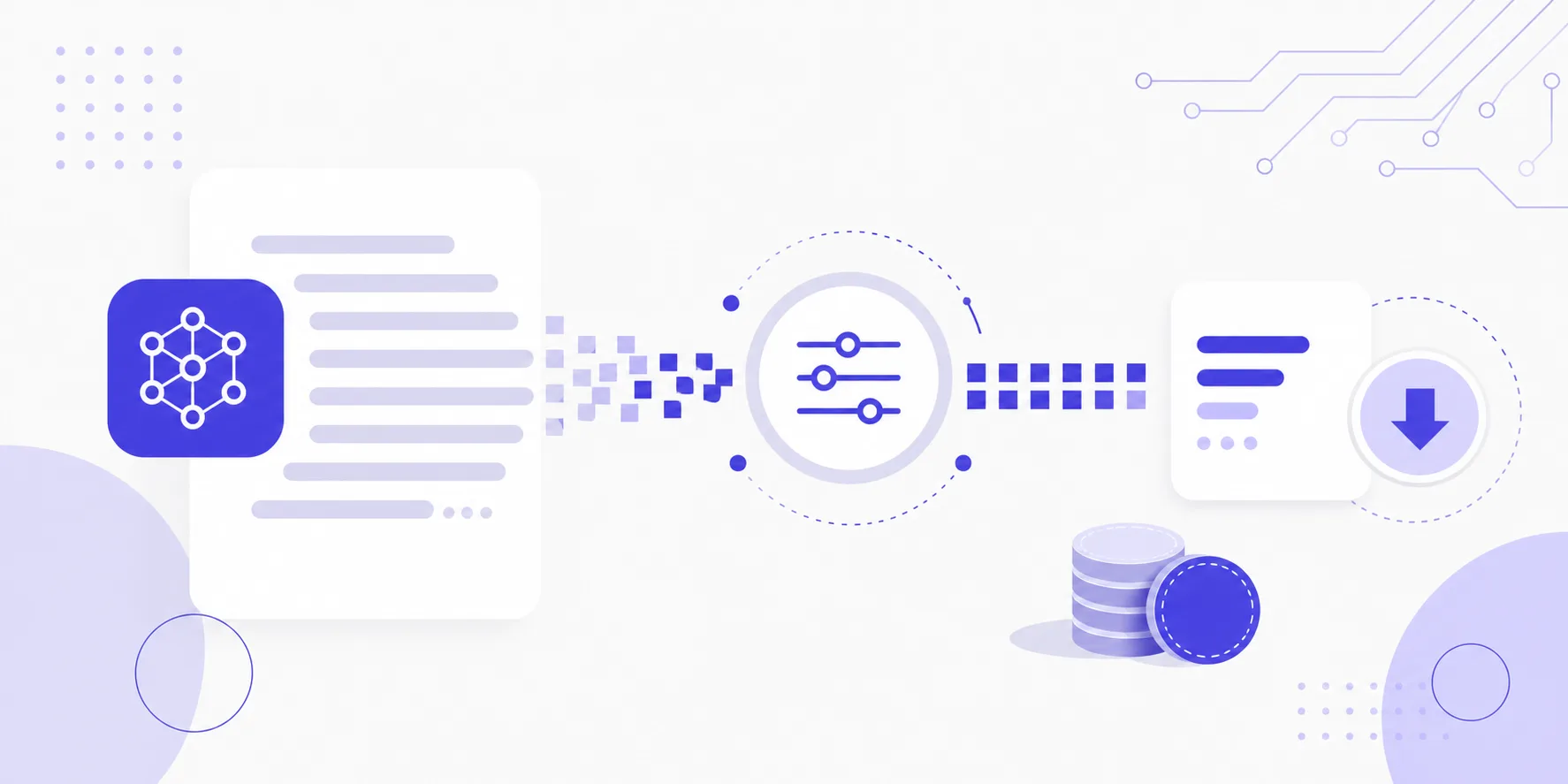
Five practical techniques to control LLM output length and reduce token usage by 40–70%, with real API examples for GPT, Claude, and Gemini.
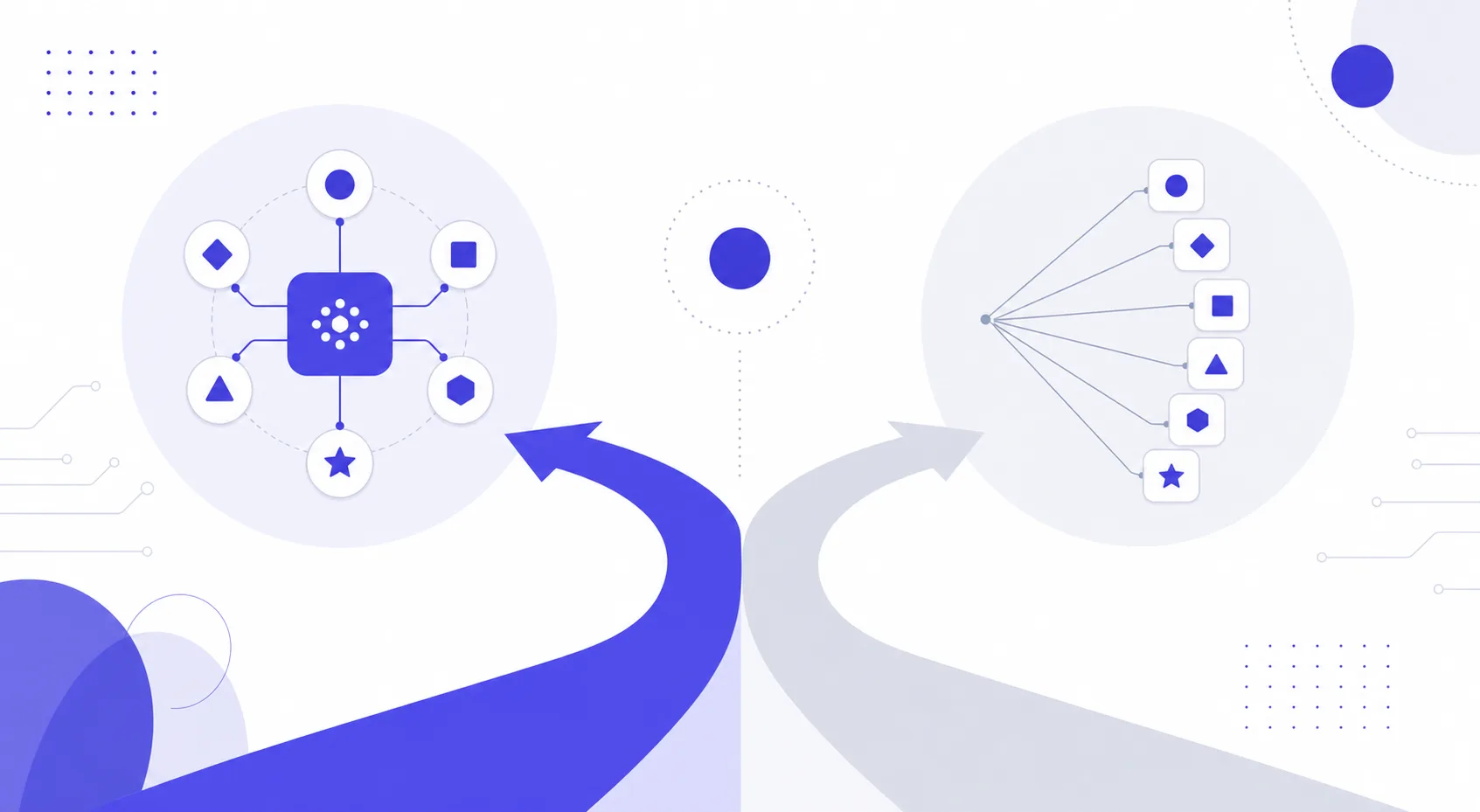
Compare AI API aggregators vs direct API calls across stability, cost, compliance, and model-switching overhead. A practical framework for engineering teams.
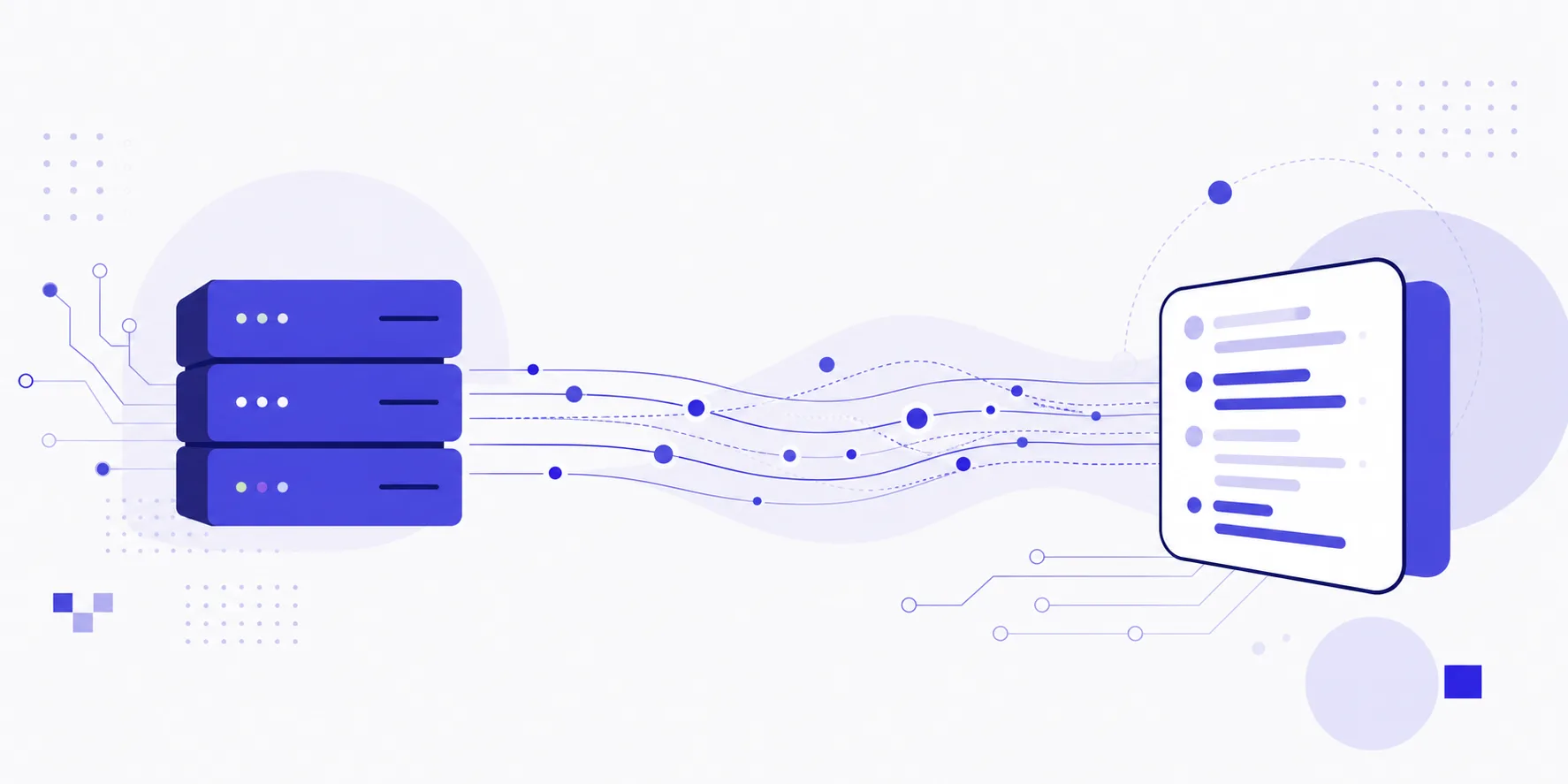
Most teams hit the same three SSE pitfalls in production: unstable connections, out-of-order tokens, and render tearing. Here's how to fix all three.
A hands-on Claude Code CLI tutorial covering installation, config, agentic mode, MCP tools, and real project tips for terminal-first developers.
A hands-on Codex CLI guide covering installation, sandbox modes, multi-step workflows, prompt engineering, and how it compares to Claude Code and Gemini CLI.
A practical Gemini CLI tutorial covering 2M-token document analysis, multimodal inputs, and Google Workspace integration — with commands you can use today.
We put Claude Code, Codex, and Gemini CLI through four real tasks—code gen, refactoring, debugging, and docs. Here's where each tool actually wins.
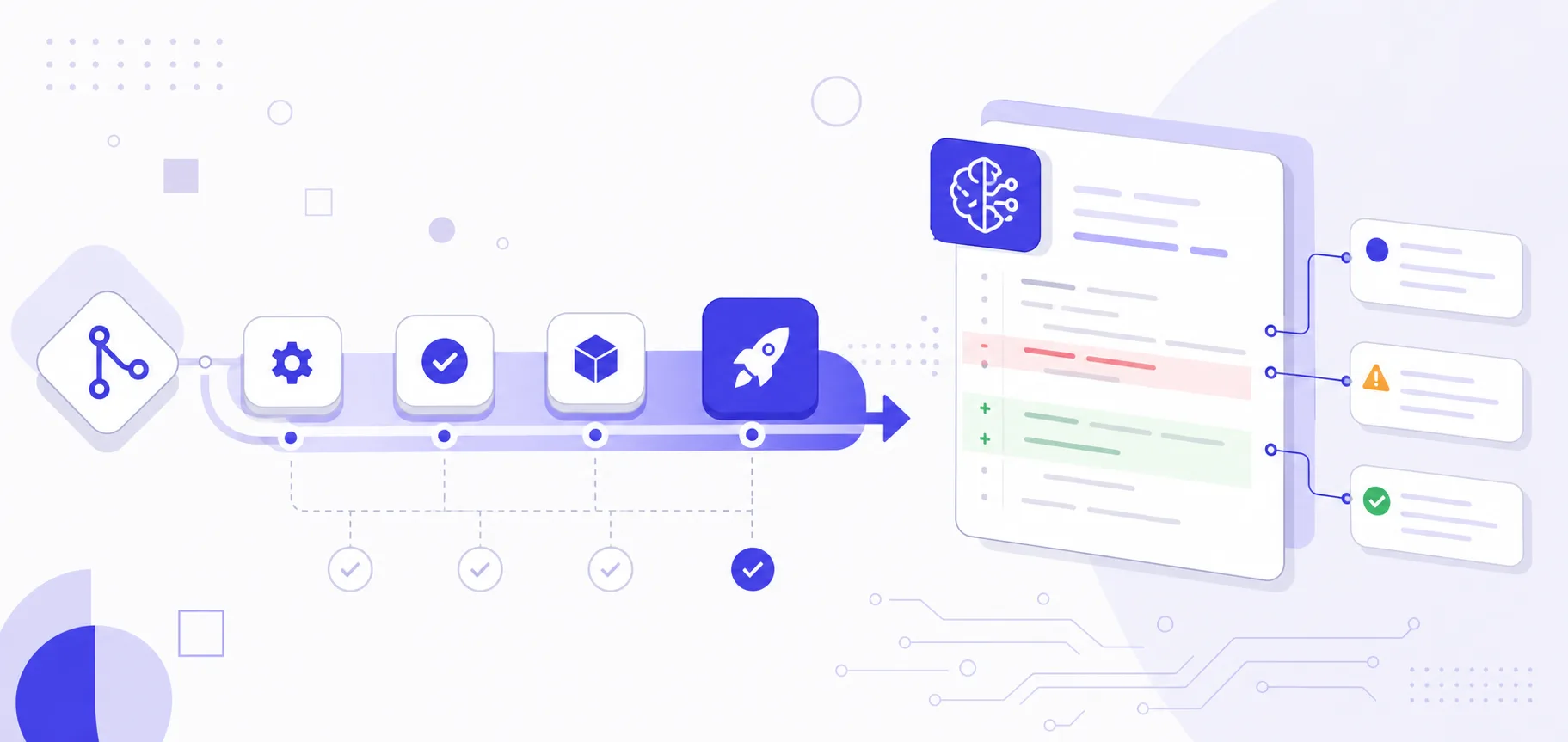
Set up an AI code review CI/CD pipeline on GitHub Actions using Claude or Codex. Get automated PR comments with inline warnings in under 90 seconds.
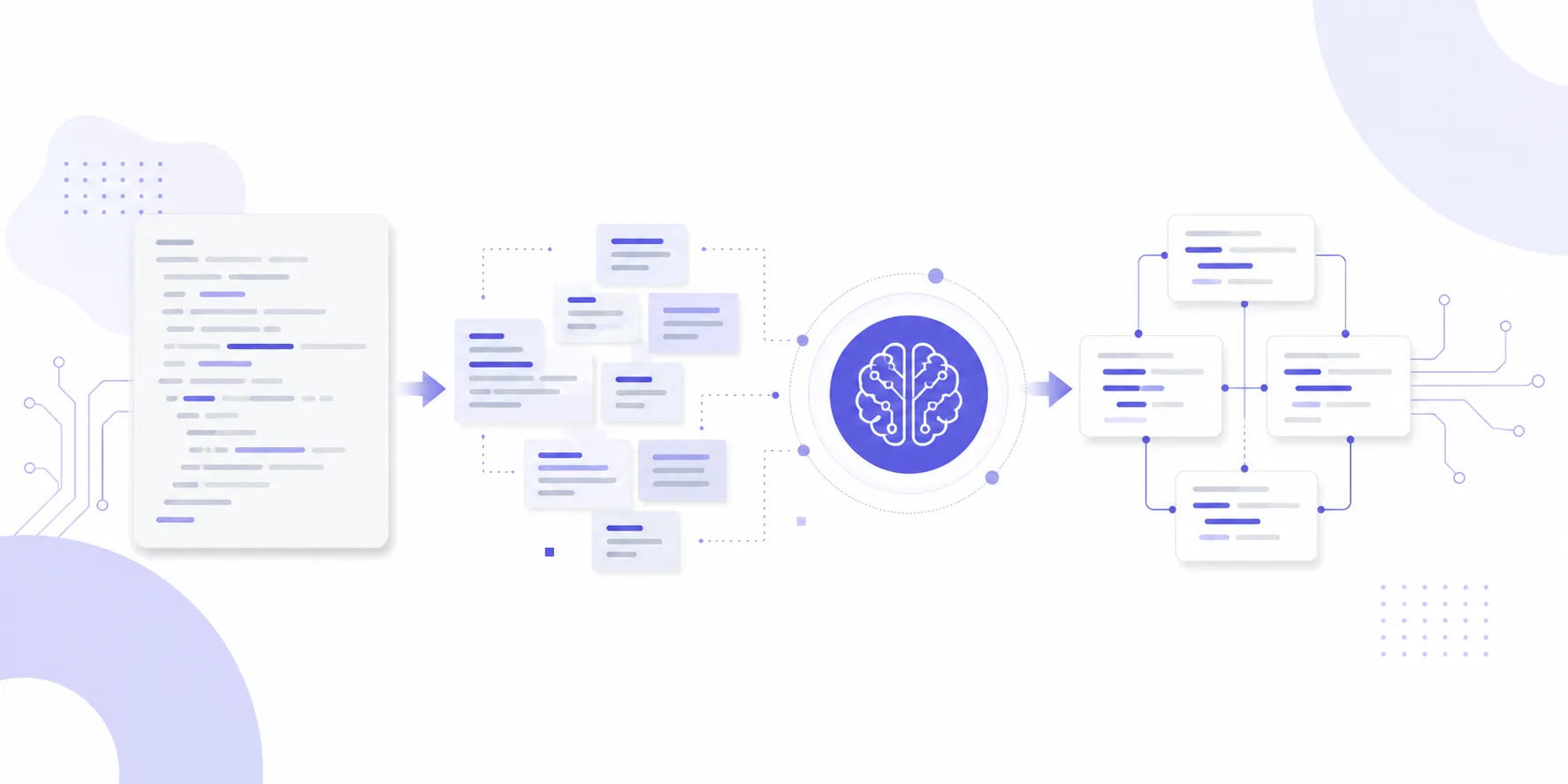
Learn how to use Claude Code, Codex, and Gemini CLI for AI automated code refactoring of legacy codebases — with real workflows and risk controls.
Learn how to use Codex CLI to auto-generate unit tests with 85%+ coverage. Includes prompt templates, coverage validation, and a shell script for bulk test generation.
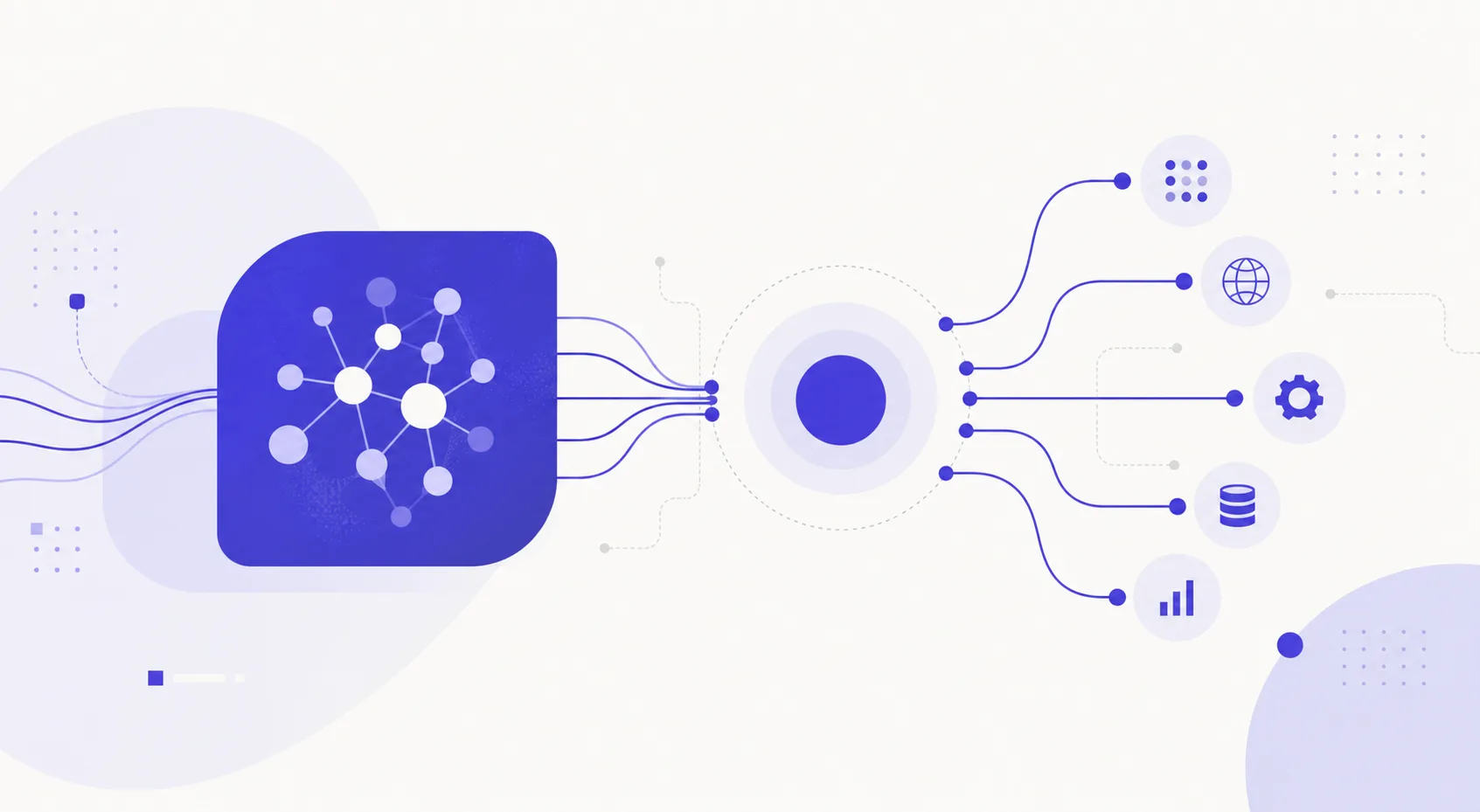
Go beyond hello-world demos. This LLM function calling tutorial covers schema design, error handling, concurrent execution, and parameter validation for production systems.
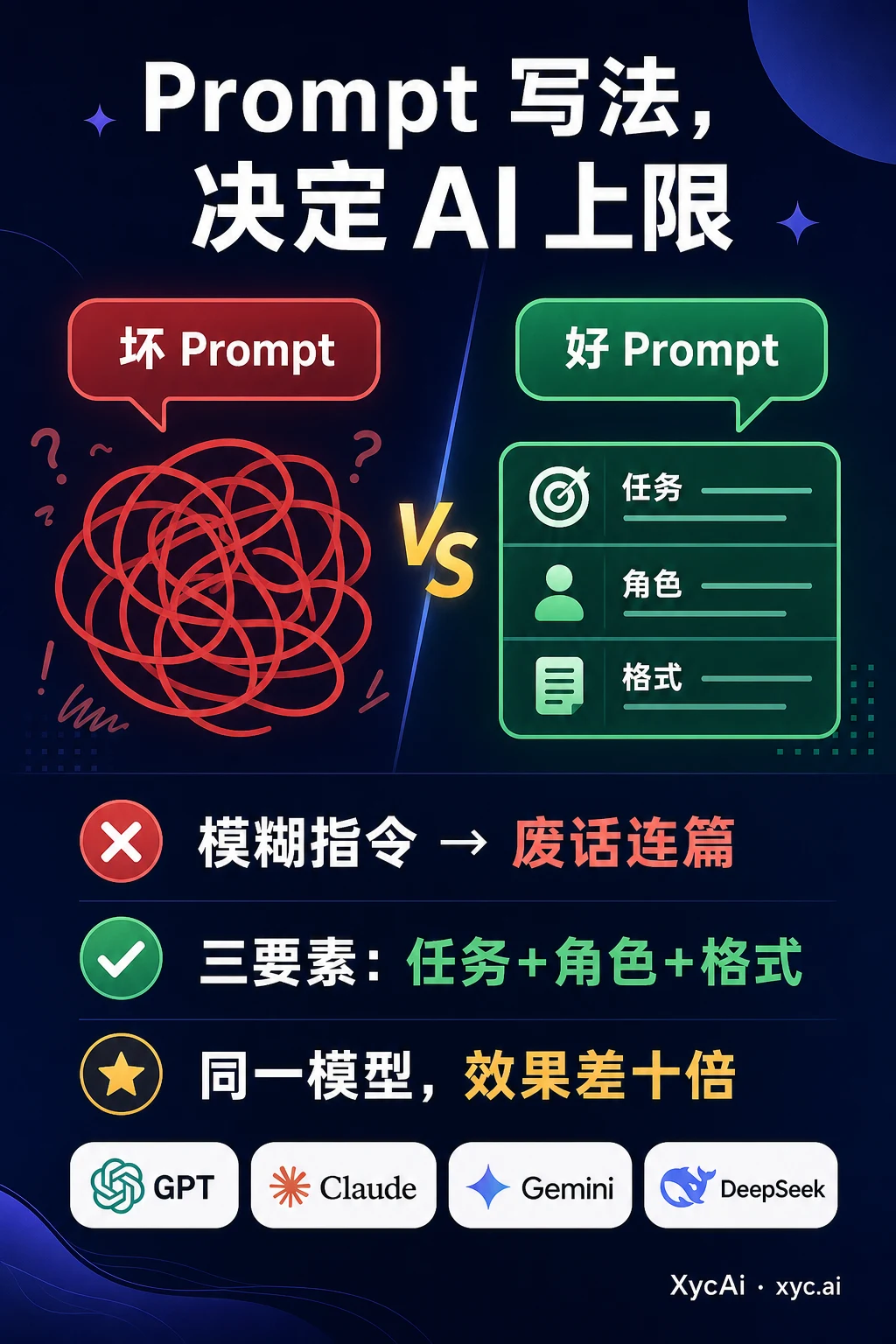
Stop blaming the model. This guide breaks down system prompt engineering into three concrete dimensions: role definition, constraint boundaries, and output format control.
Zero-shot or few-shot prompting? Learn which strategy wins by task type, with real accuracy data, example design rules, and a 3-step decision framework.
A practical chain of thought prompting guide covering Few-Shot CoT, Zero-Shot CoT, and Tree of Thought — with copy-paste templates and engineering tips.
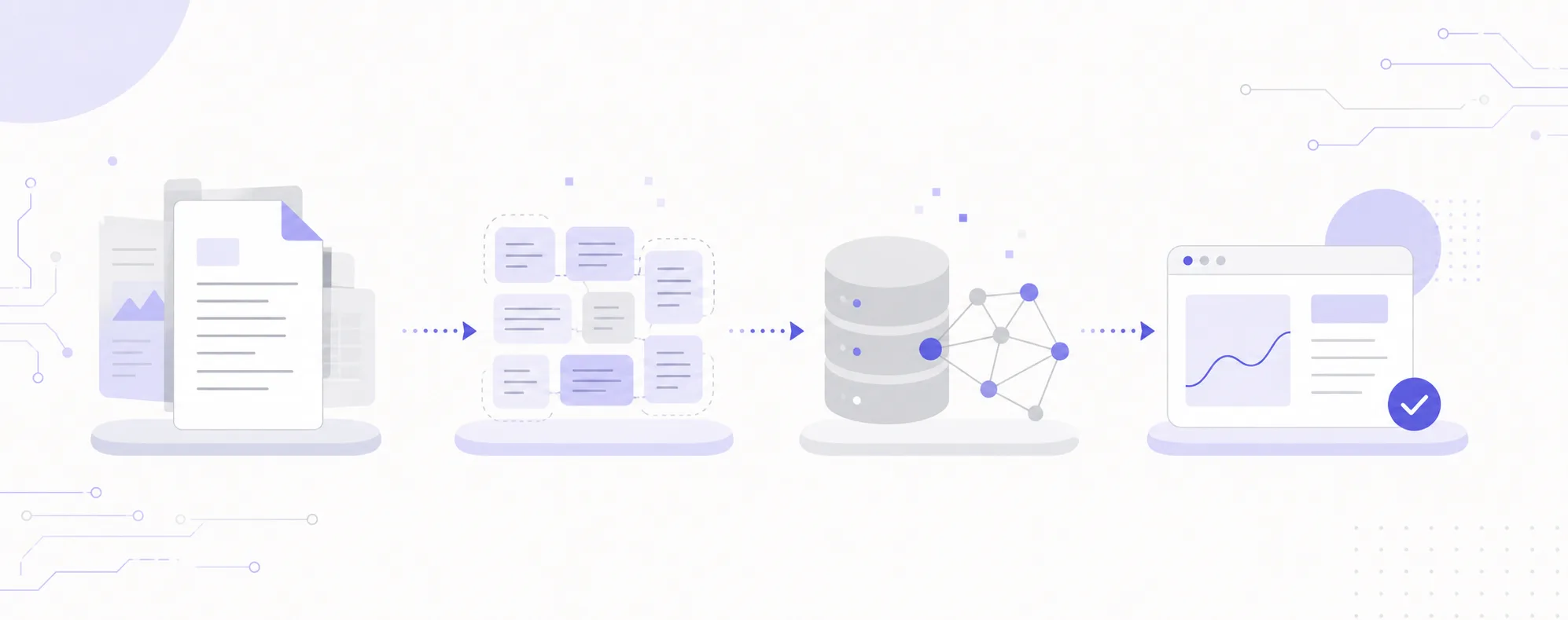
A practical RAG implementation tutorial covering chunking, embedding, two-stage retrieval, and prompt engineering — with real parameters and production deployment checks.
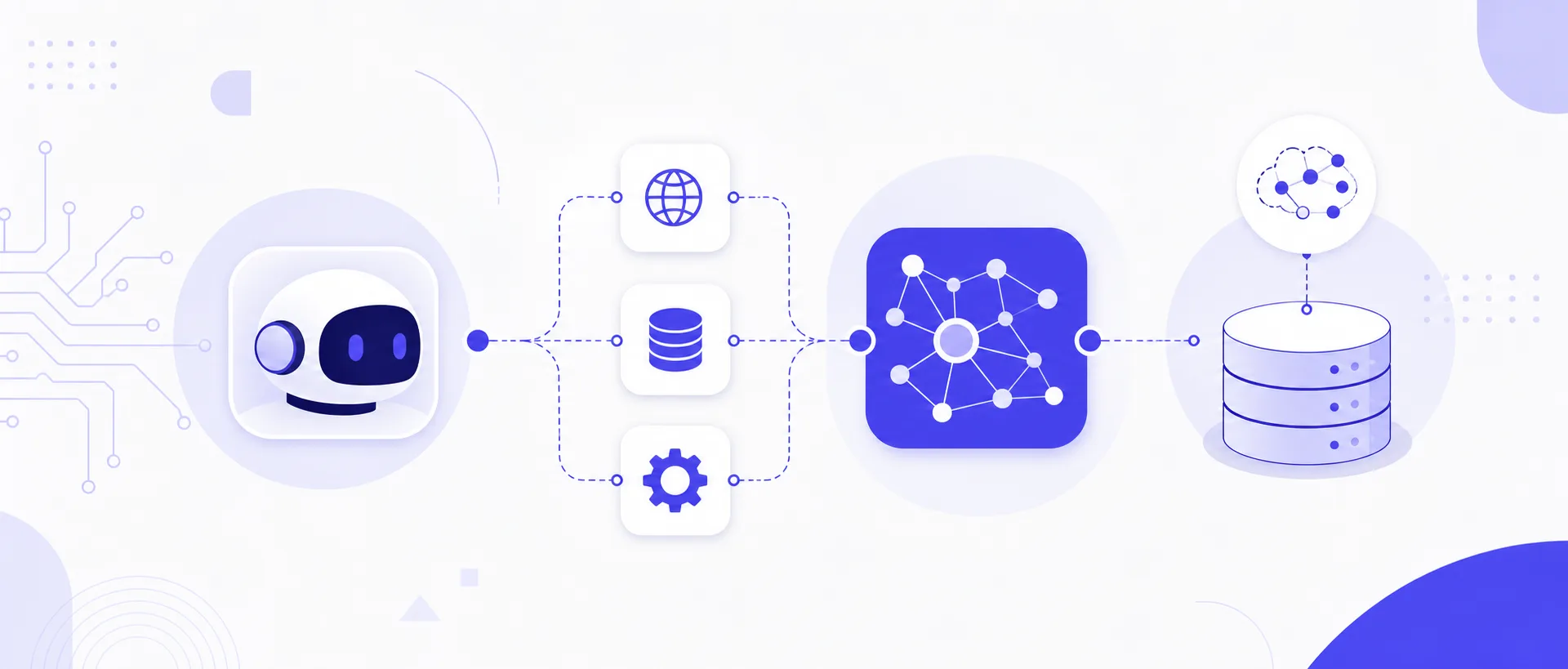
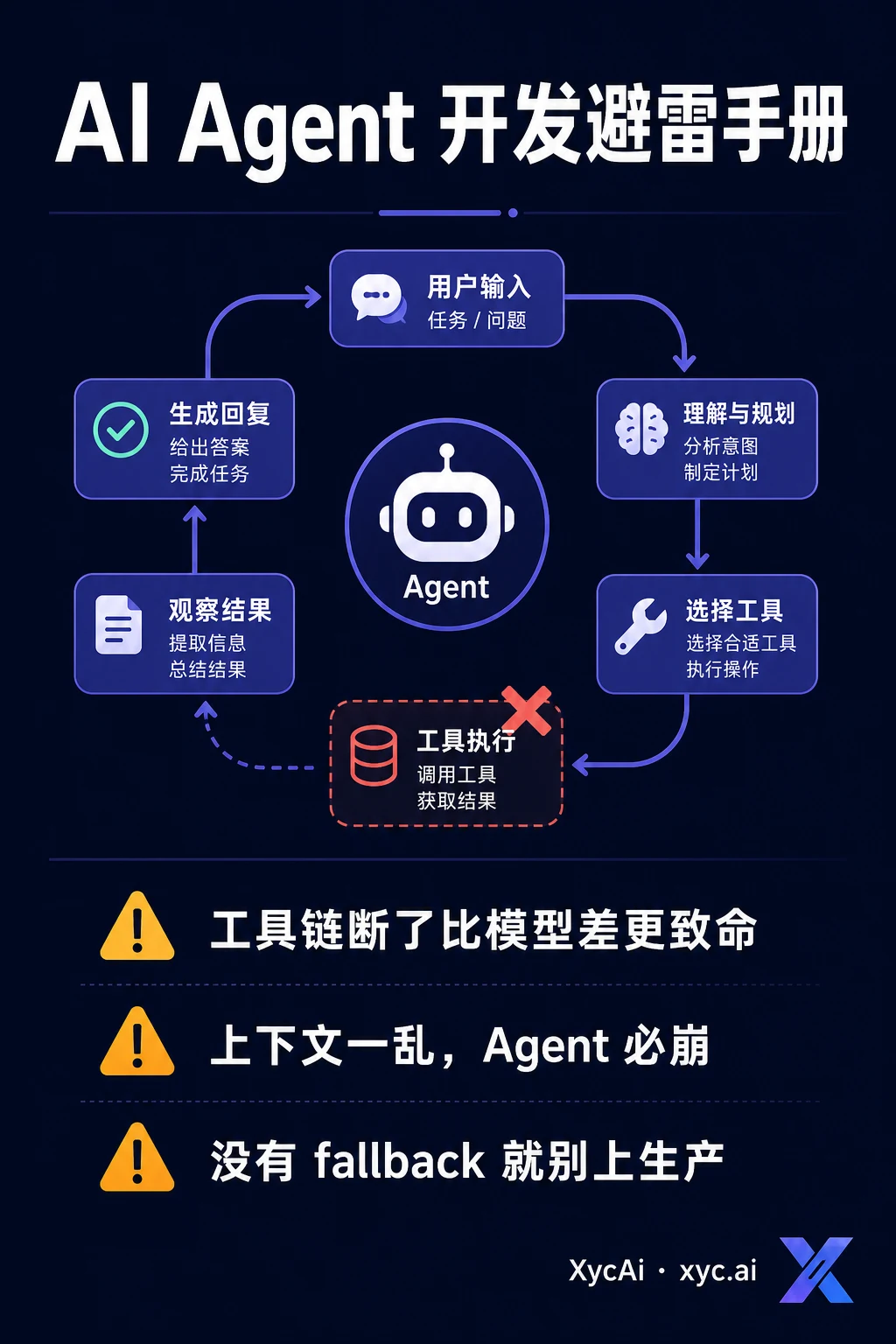
A practical AI agent development tutorial covering tool calling, ReAct loops, memory layers, and production state management — with real code examples.
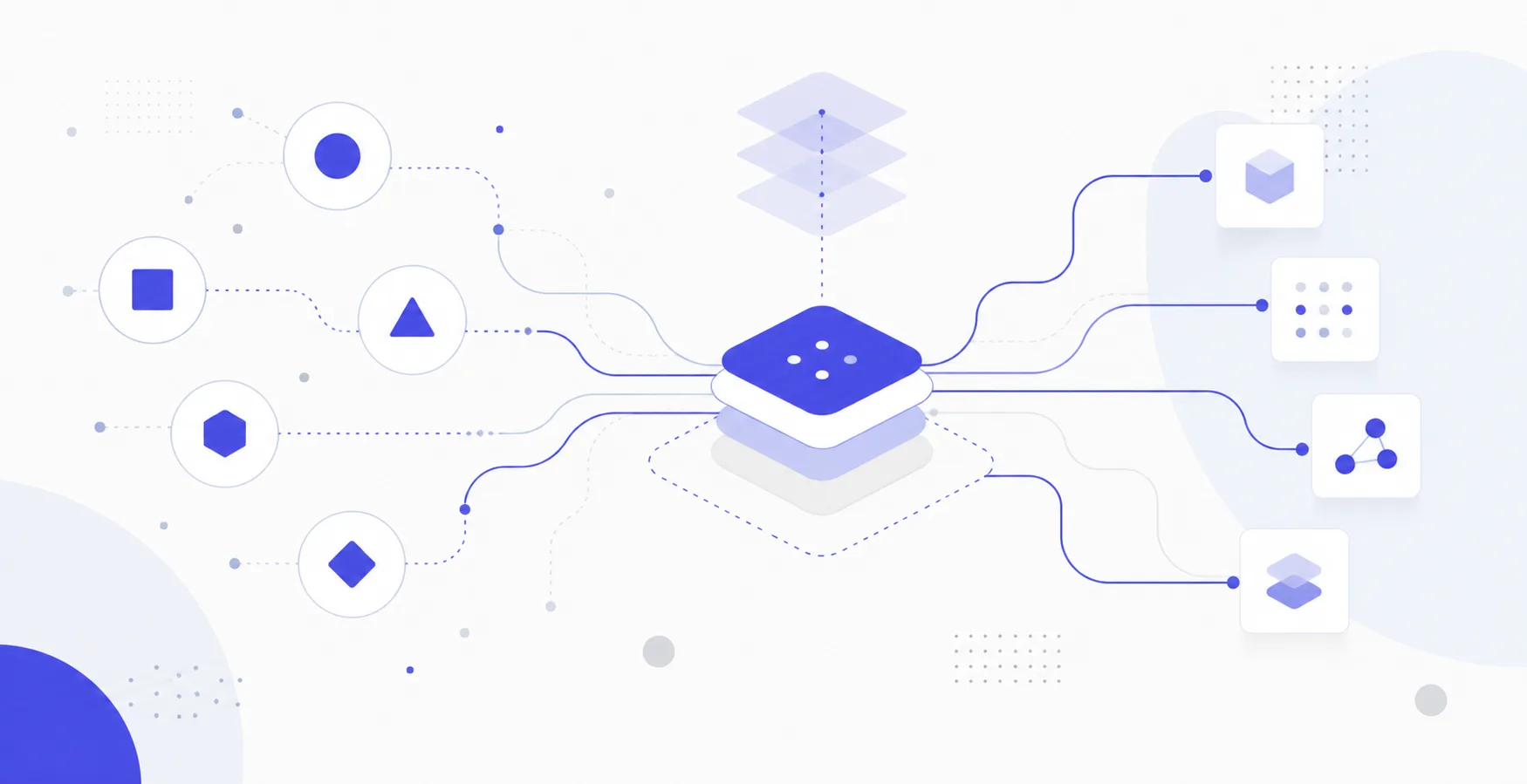
Learn how to design a reliable multi-agent orchestration architecture with orchestrator-worker patterns, task decomposition, parallel scheduling, and failure recovery.
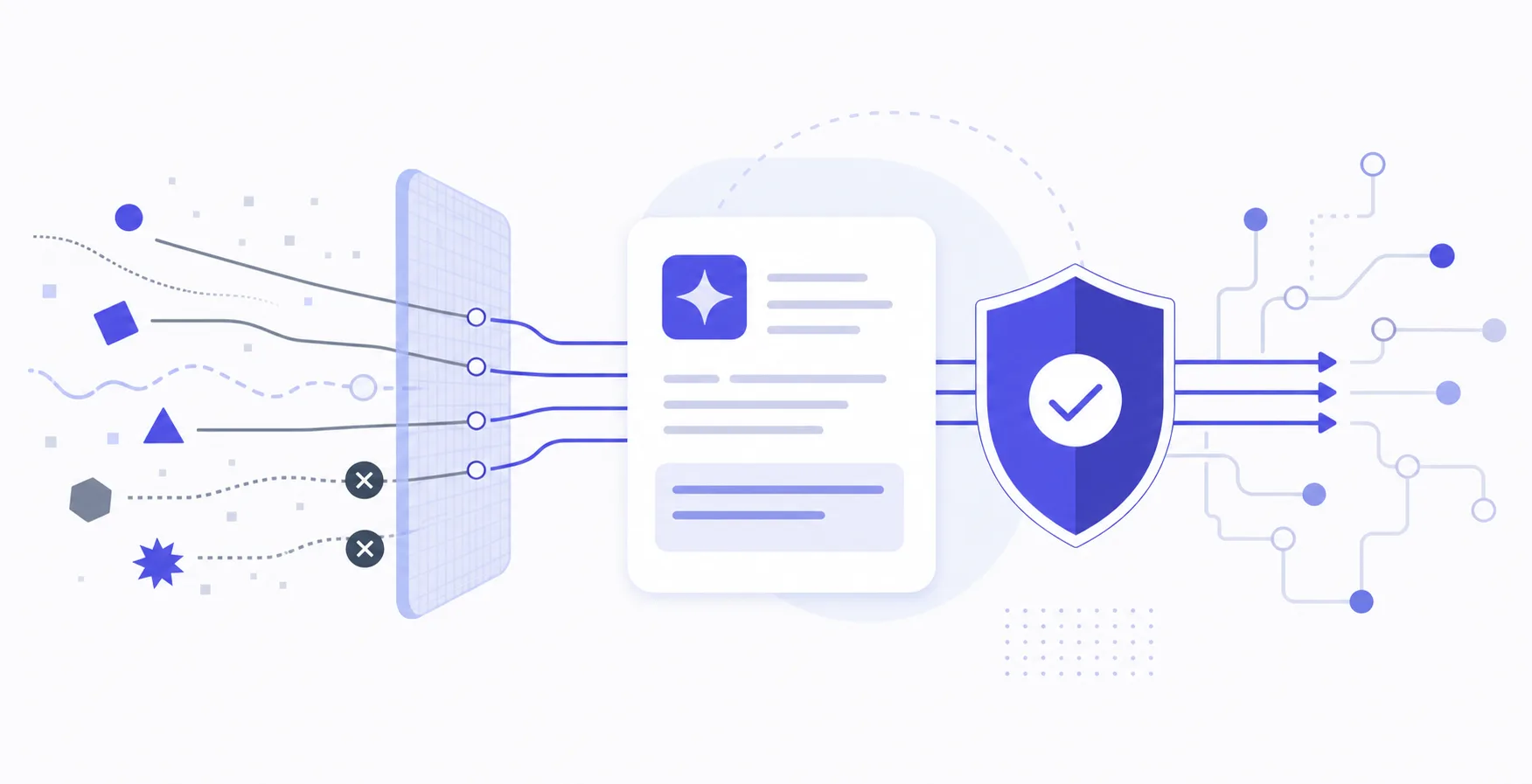
Learn how attackers exploit LLM apps with prompt injection and get concrete, production-ready defenses covering input filtering, sandboxing, and output validation.
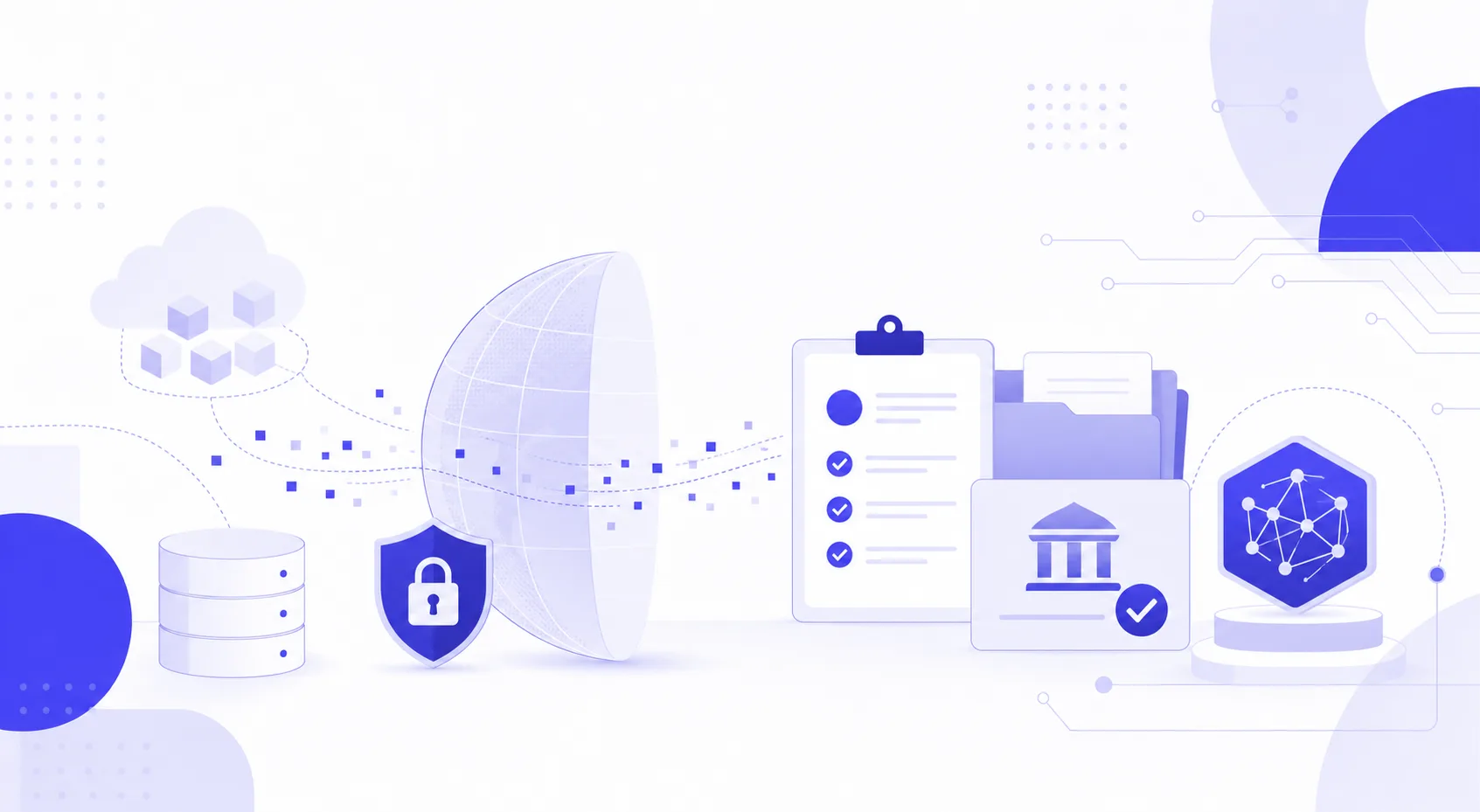
How Chinese companies can legally connect to OpenAI, Anthropic, and Google APIs — covering data export rules, algorithm filing, and security review requirements.
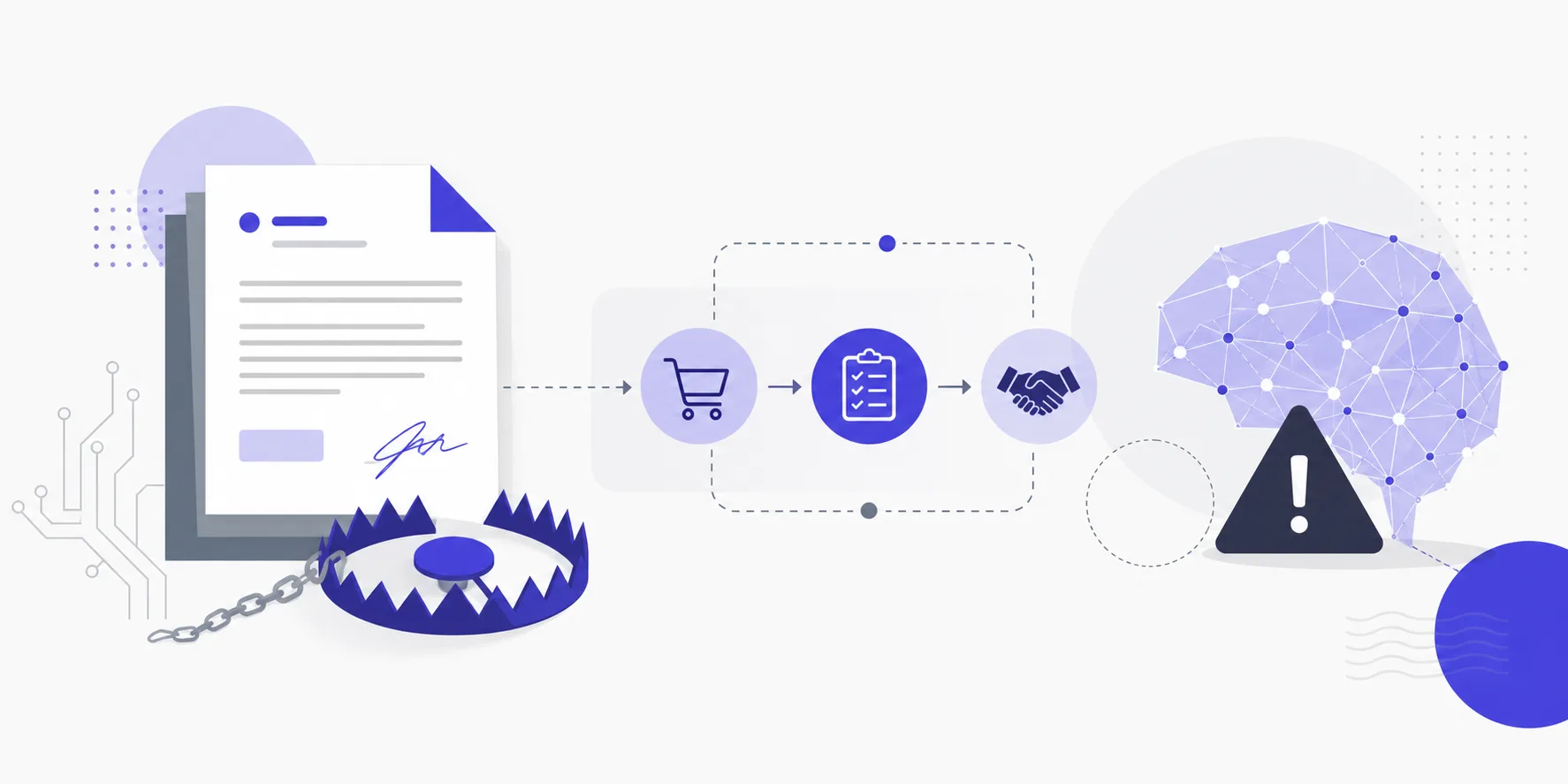
Most companies sign vendor template contracts without reading the fine print. Here's what to negotiate in your enterprise AI API procurement contract.
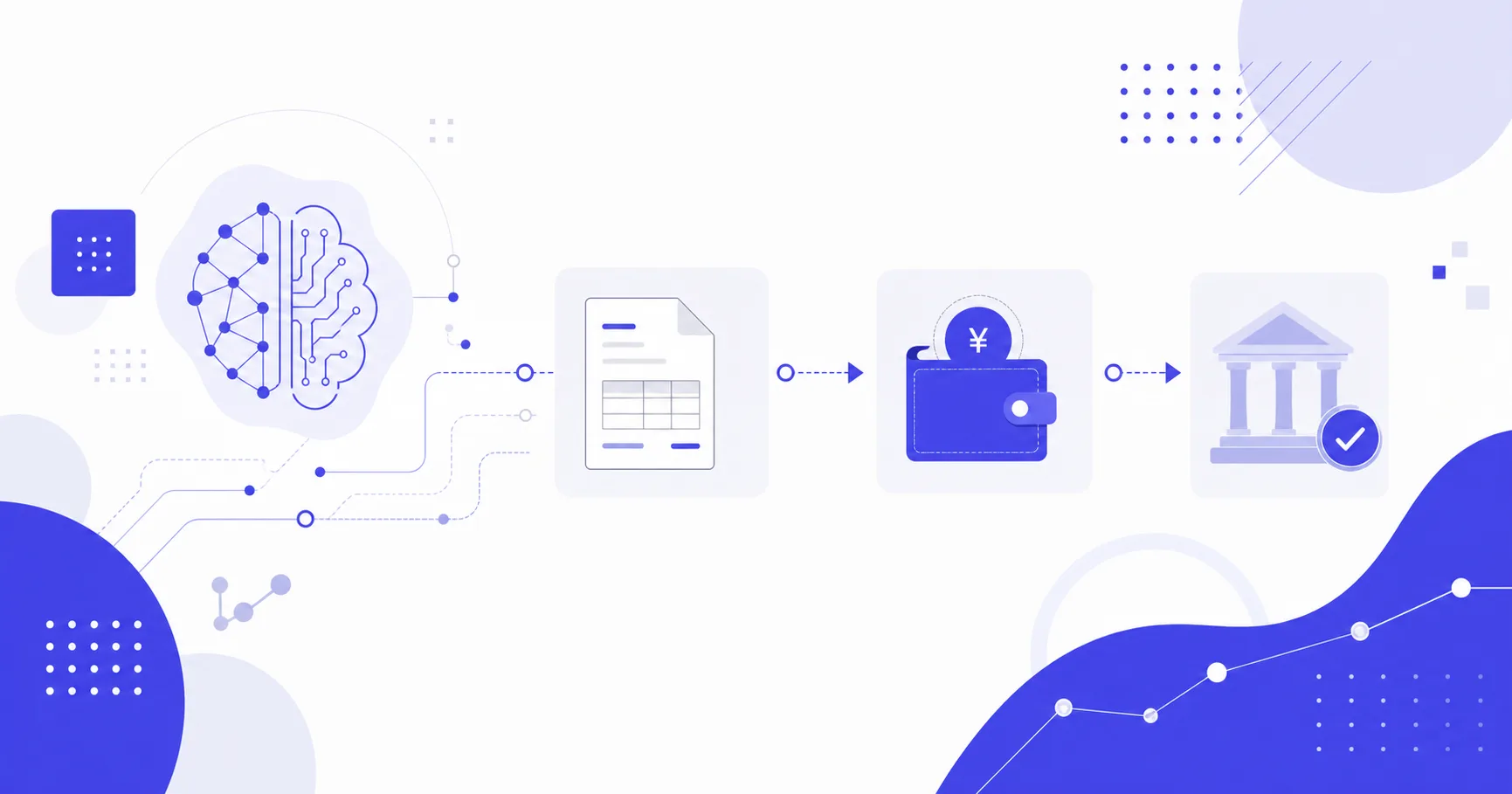
Step-by-step guide to AI API invoice reimbursement in China — covering OpenAI, Anthropic, Google Cloud, DeepSeek, Zhipu, and Aliyun Qwen with account codes and tax tips.
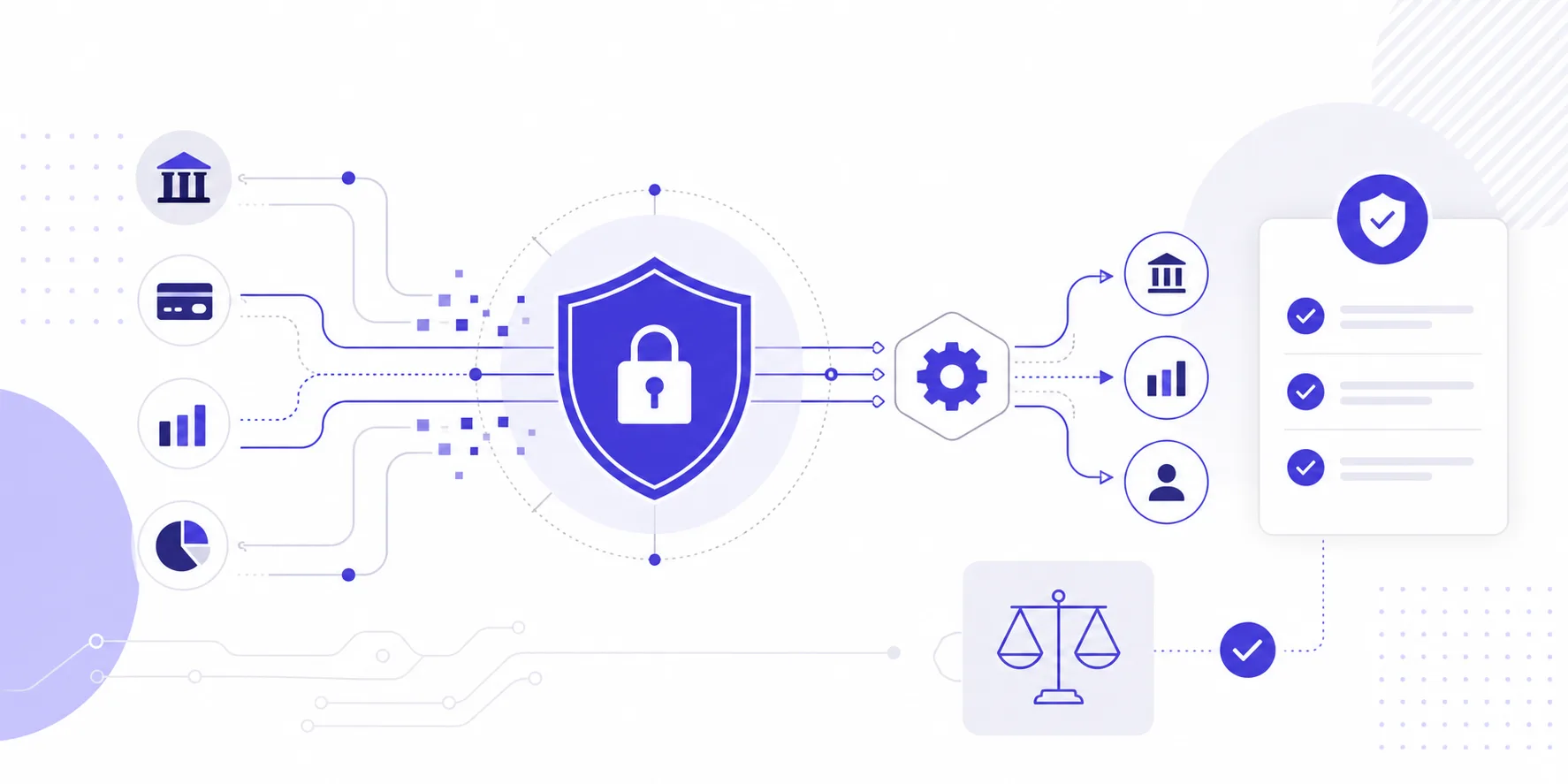
How financial institutions can use AI APIs without violating data regulations — field classification, PII masking, audit logging, and cross-border rules explained.

Disclaimer text isn't a compliance strategy. Here's how to build real PHI protection into your data pipeline, API layer, and model output — with working code.

SOC 2 and ISO 27001 don't tell you where your prompts go. Here's the real AI API vendor security assessment checklist your team needs before signing.
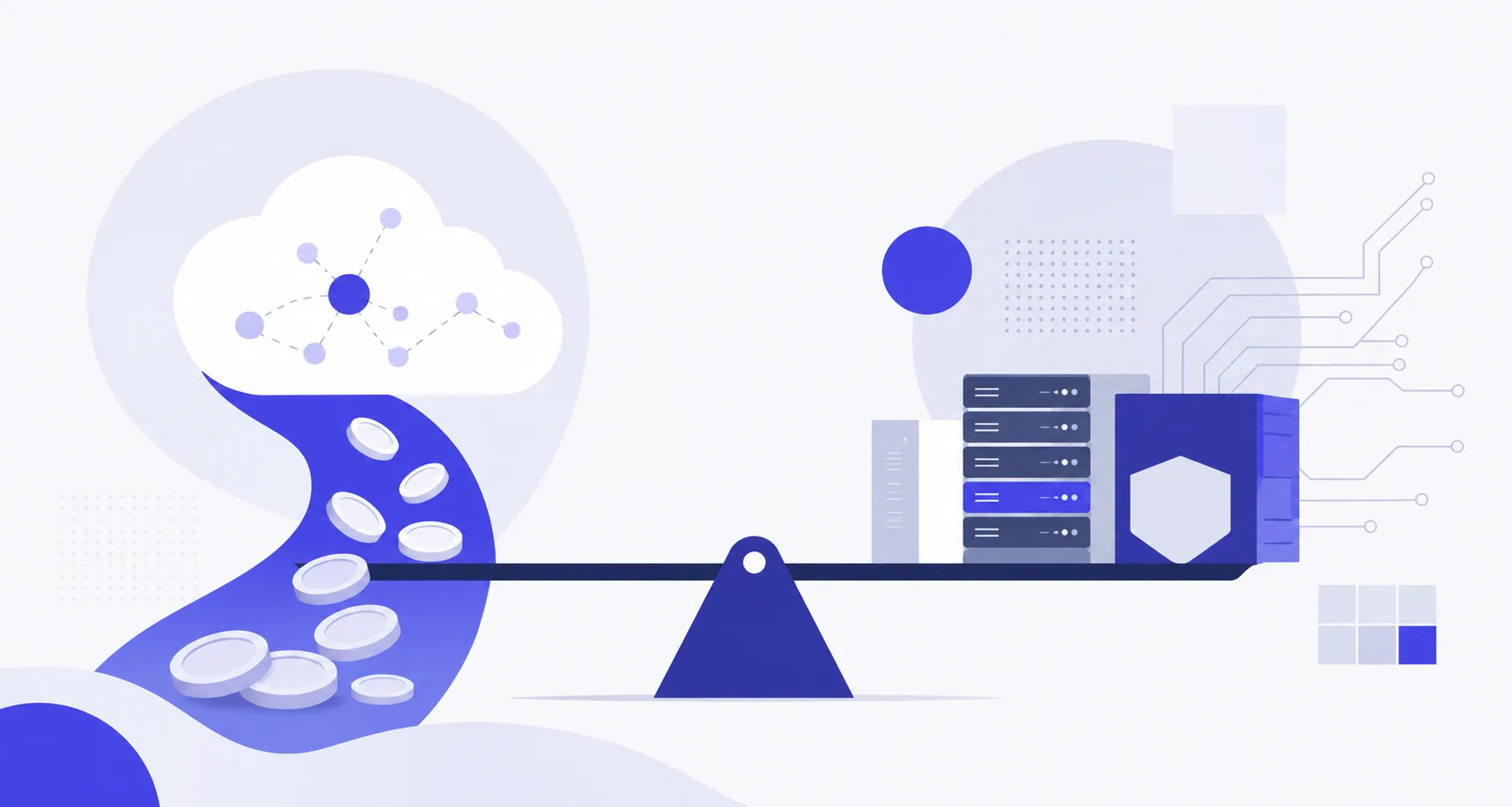
Before signing that hardware contract, see the full 3-year TCO for private LLM deployment vs API calls — including the hidden costs most vendors won't show you.

Five questions every business leader should ask before signing off on an AI model. Cut through the jargon and drive model selection with business logic.
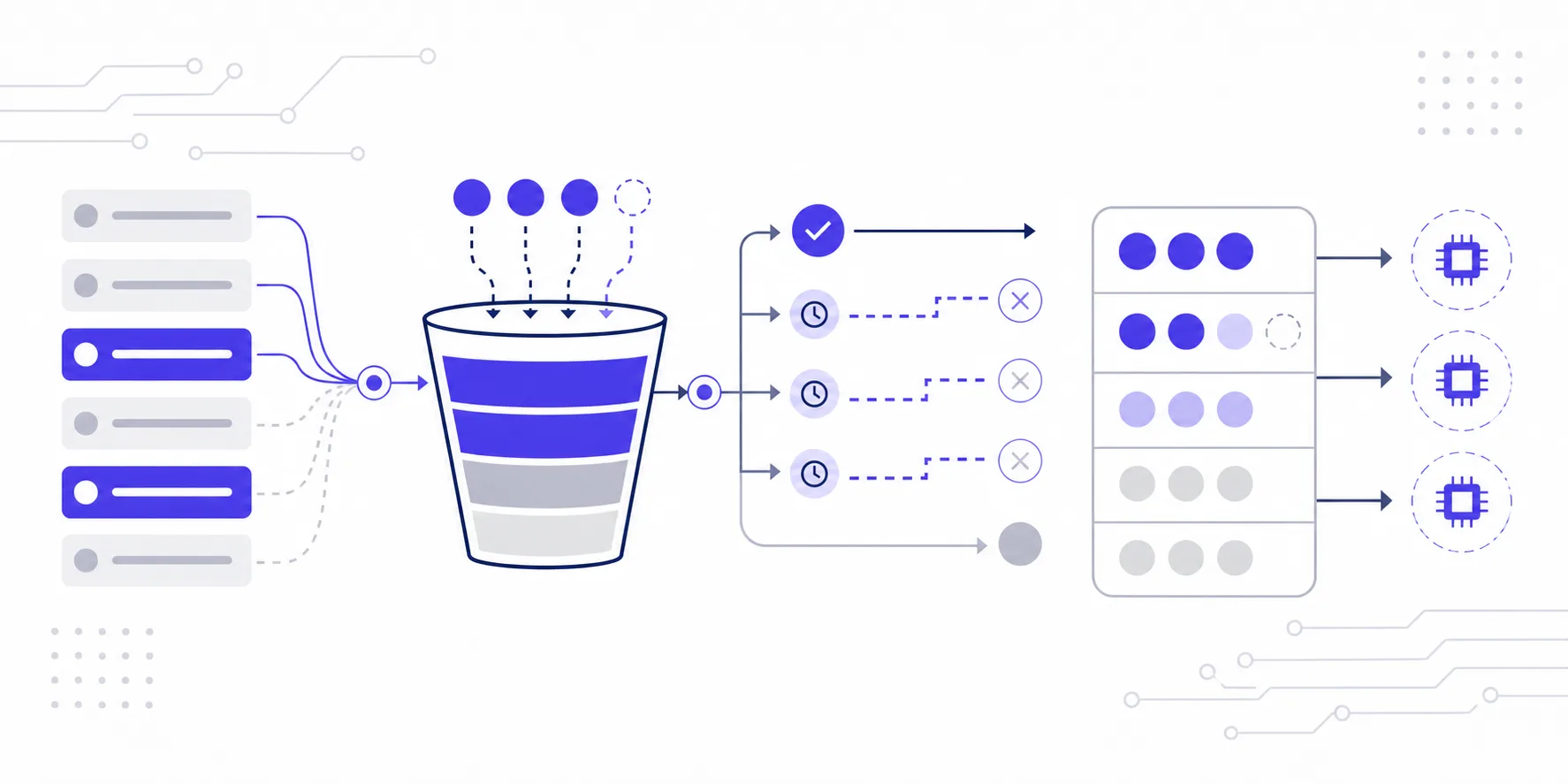
Learn how to handle LLM API rate limits in production using exponential backoff, token bucket, and request queues — with working Python code for each layer.
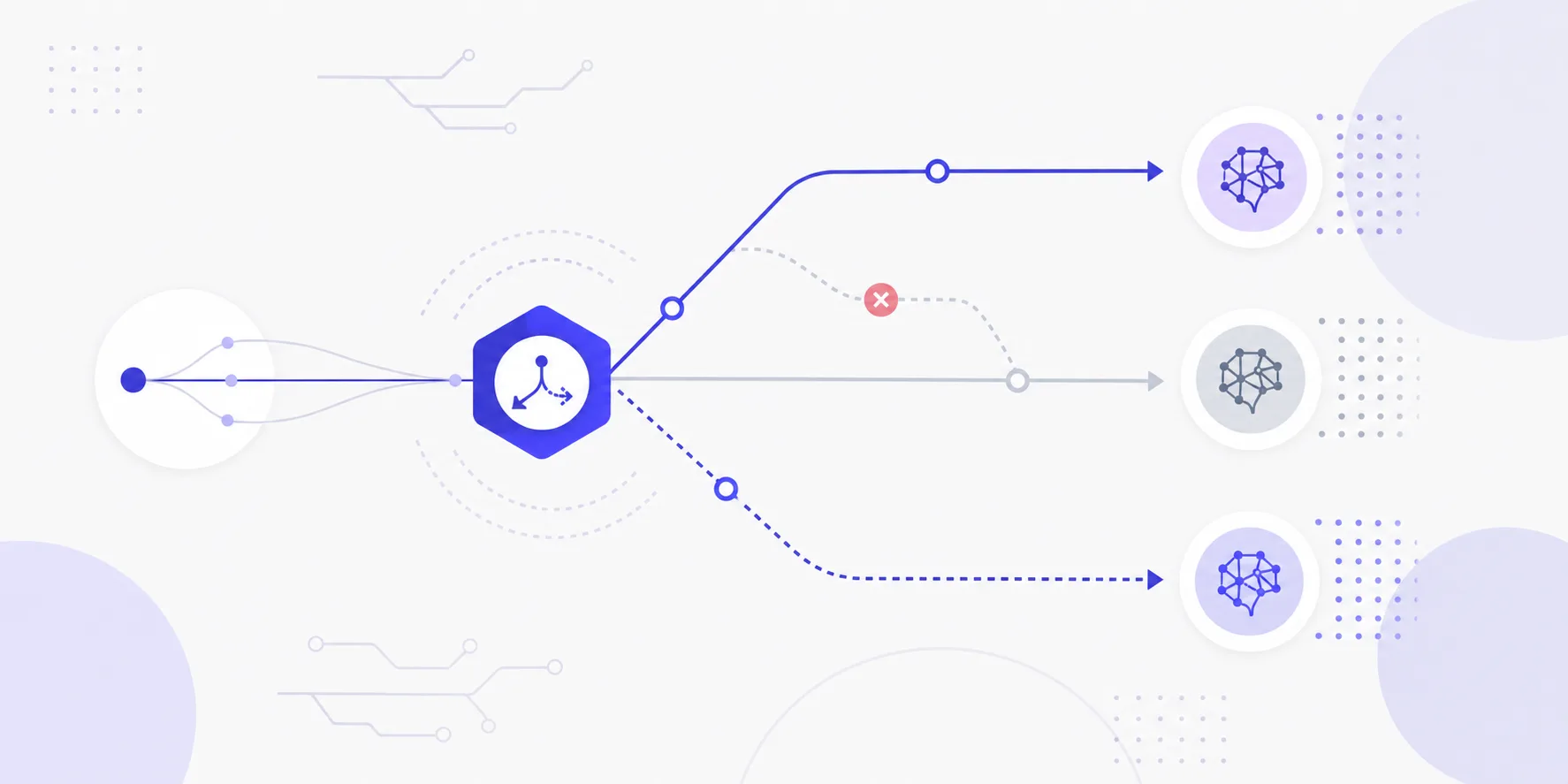
Single-vendor AI APIs cap your uptime at their SLA. Here's how to build an LLM API failover layer that routes across models and hits 99.95%+ availability.
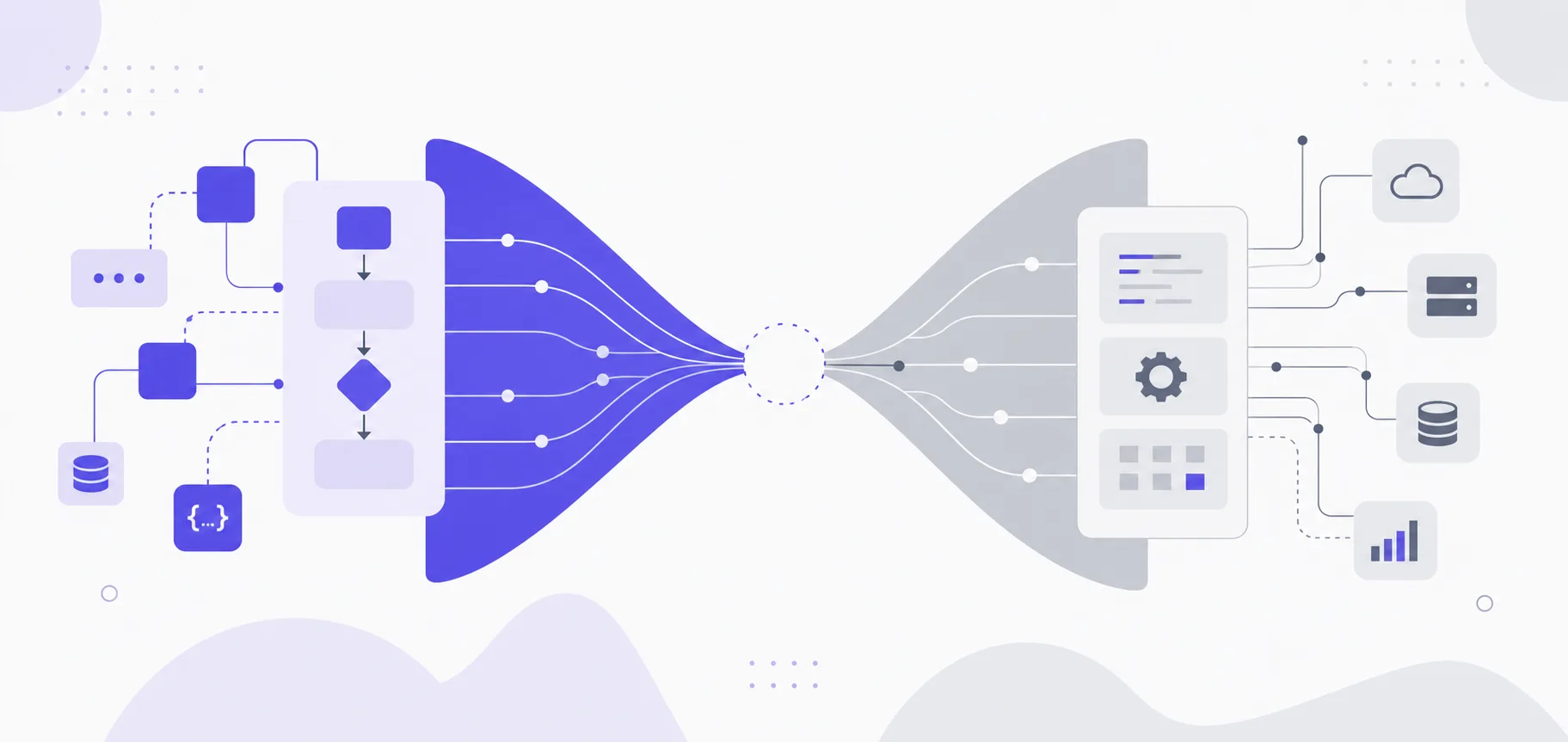
Learn when LangChain saves you time and when it slows you down. A practical framework selection guide based on project stage, team size, and production requirements.
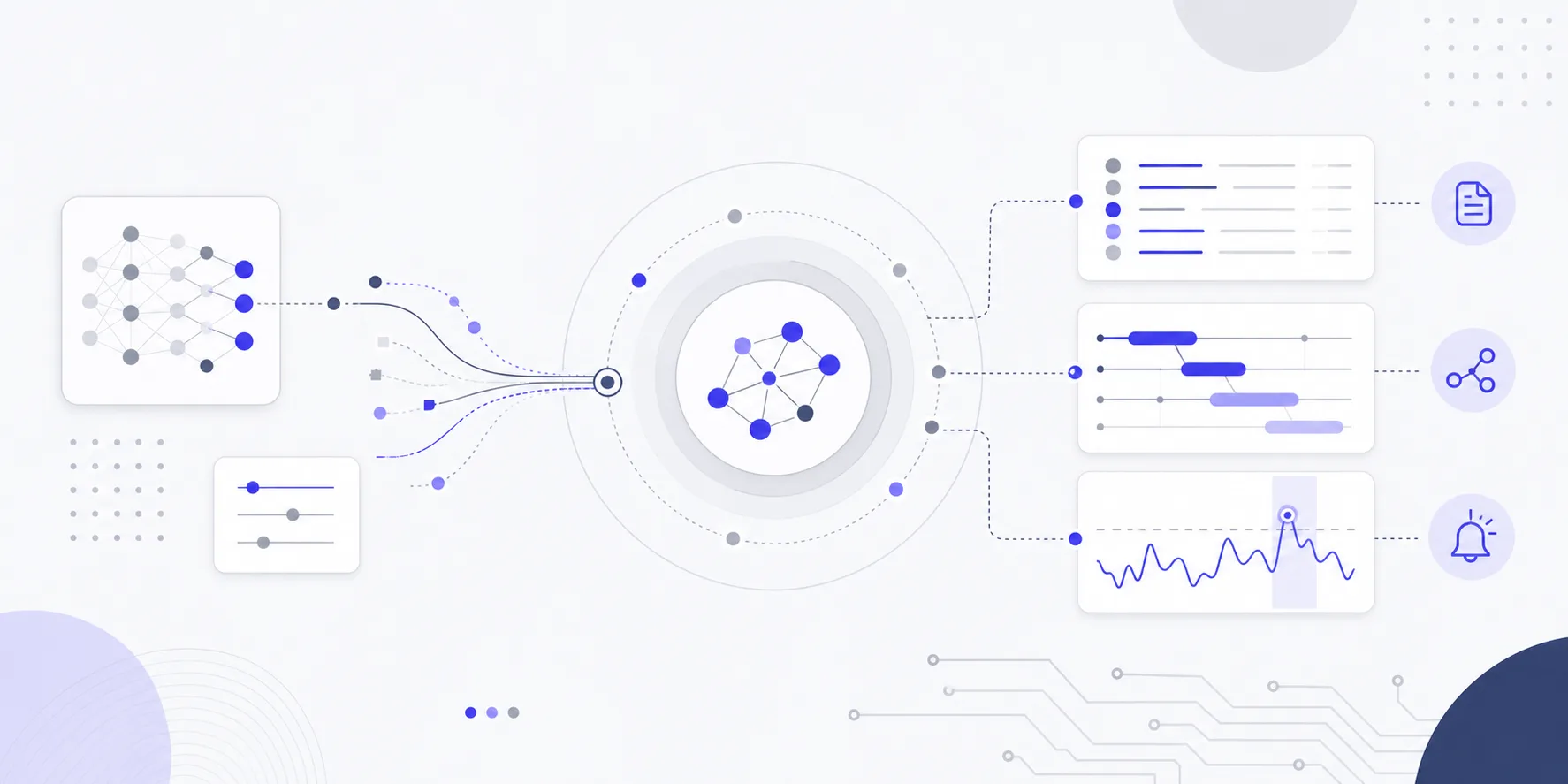
A complete LLM API observability guide covering structured logging, distributed tracing with OpenTelemetry, cost metrics, and a tiered alerting strategy that actually works.
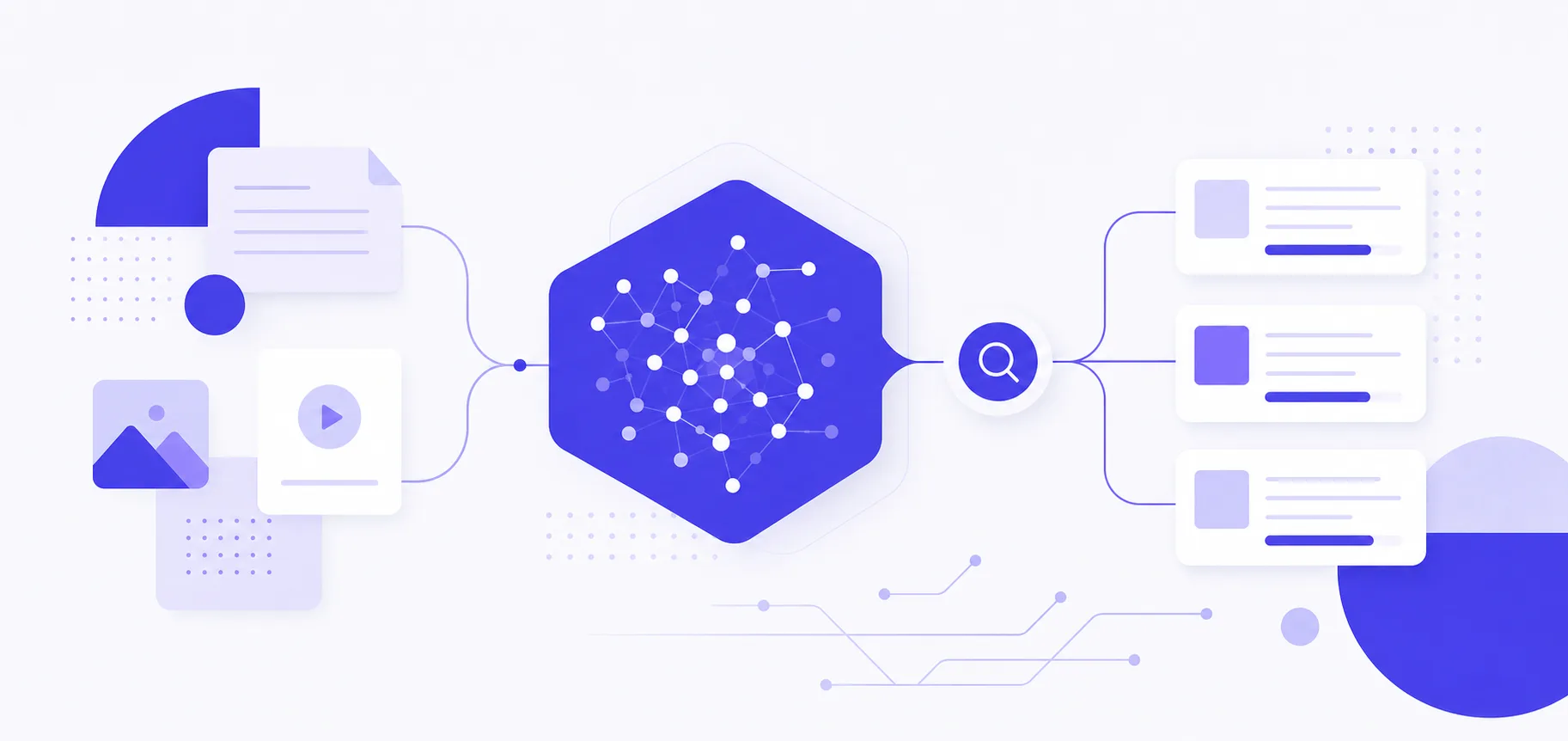
Choosing the wrong embedding API can cost 10x more and kill your recall rate. Here's a practical breakdown of models, costs, and tradeoffs for semantic search and RAG.
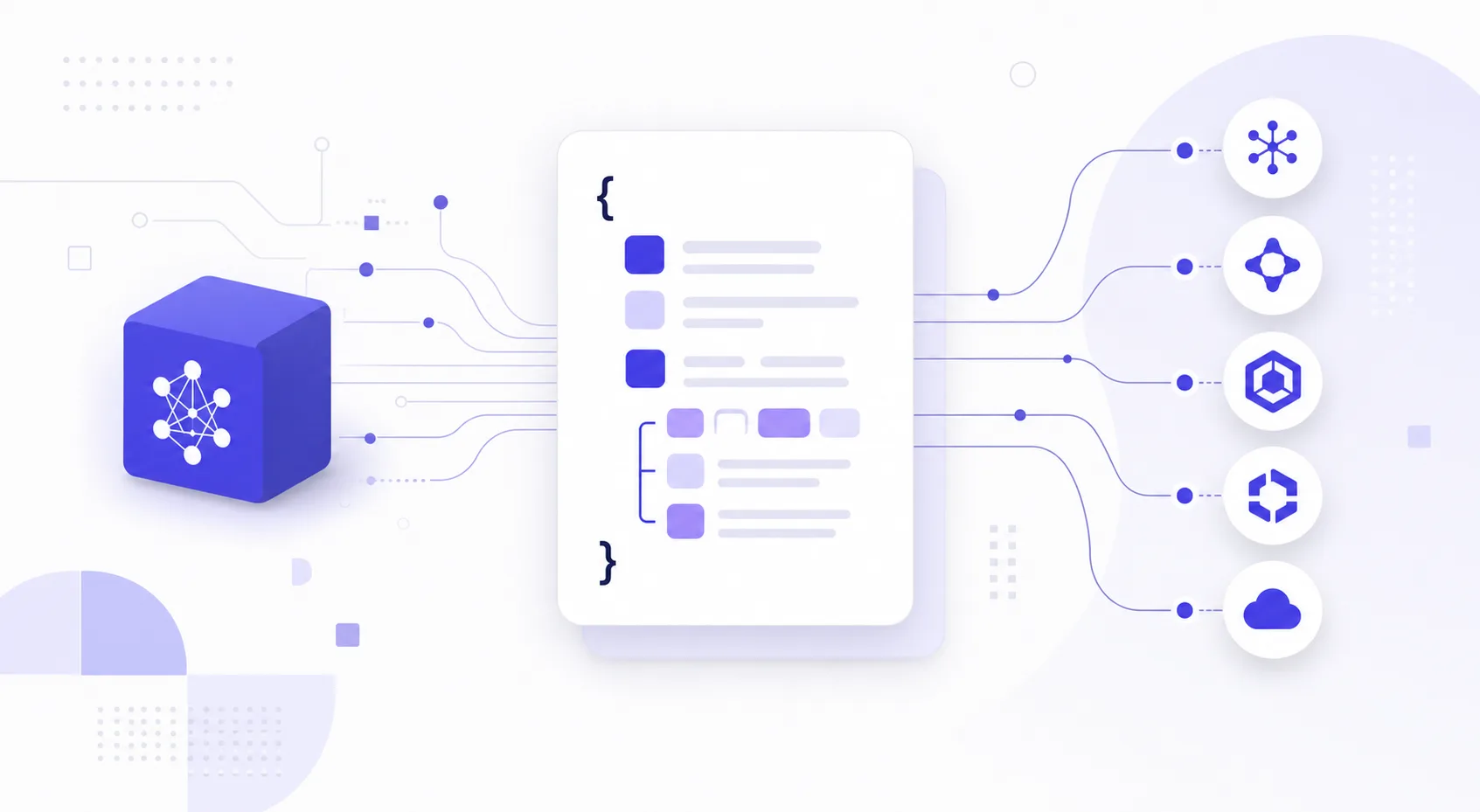
How to enforce JSON schema constraints with OpenAI, Claude, and Gemini APIs — plus schema tips, fallback strategies, and handling models that lack strict mode.
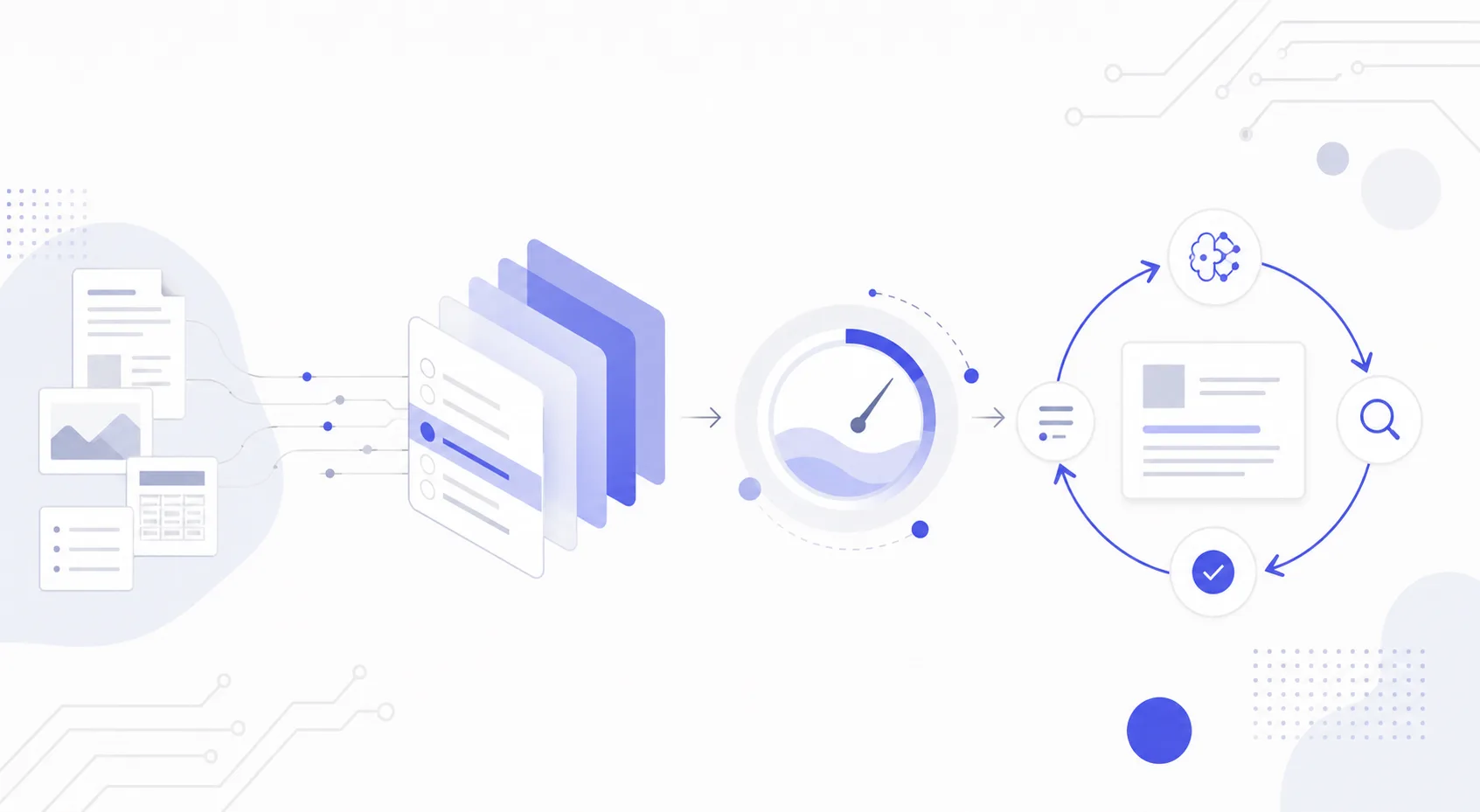
Swap model upgrades for architecture. A practical three-layer engineering stack — RAG grounding, confidence calibration, and self-critique loops — to cut LLM hallucination rates in production.
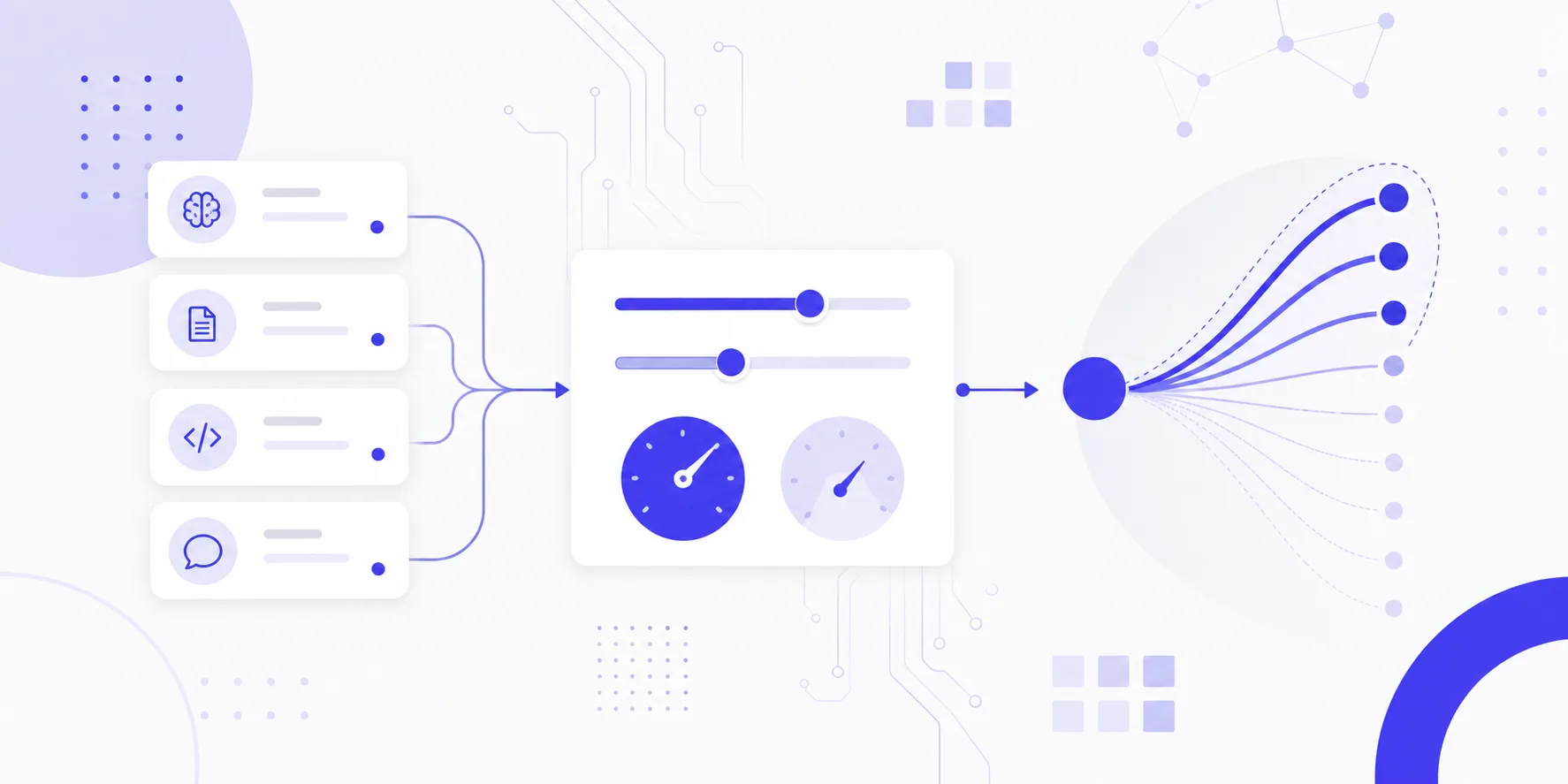
Benchmark data across creative writing, code generation, and factual Q&A, with ready-to-use configs for LLM temperature top-p tuning and common pitfalls.
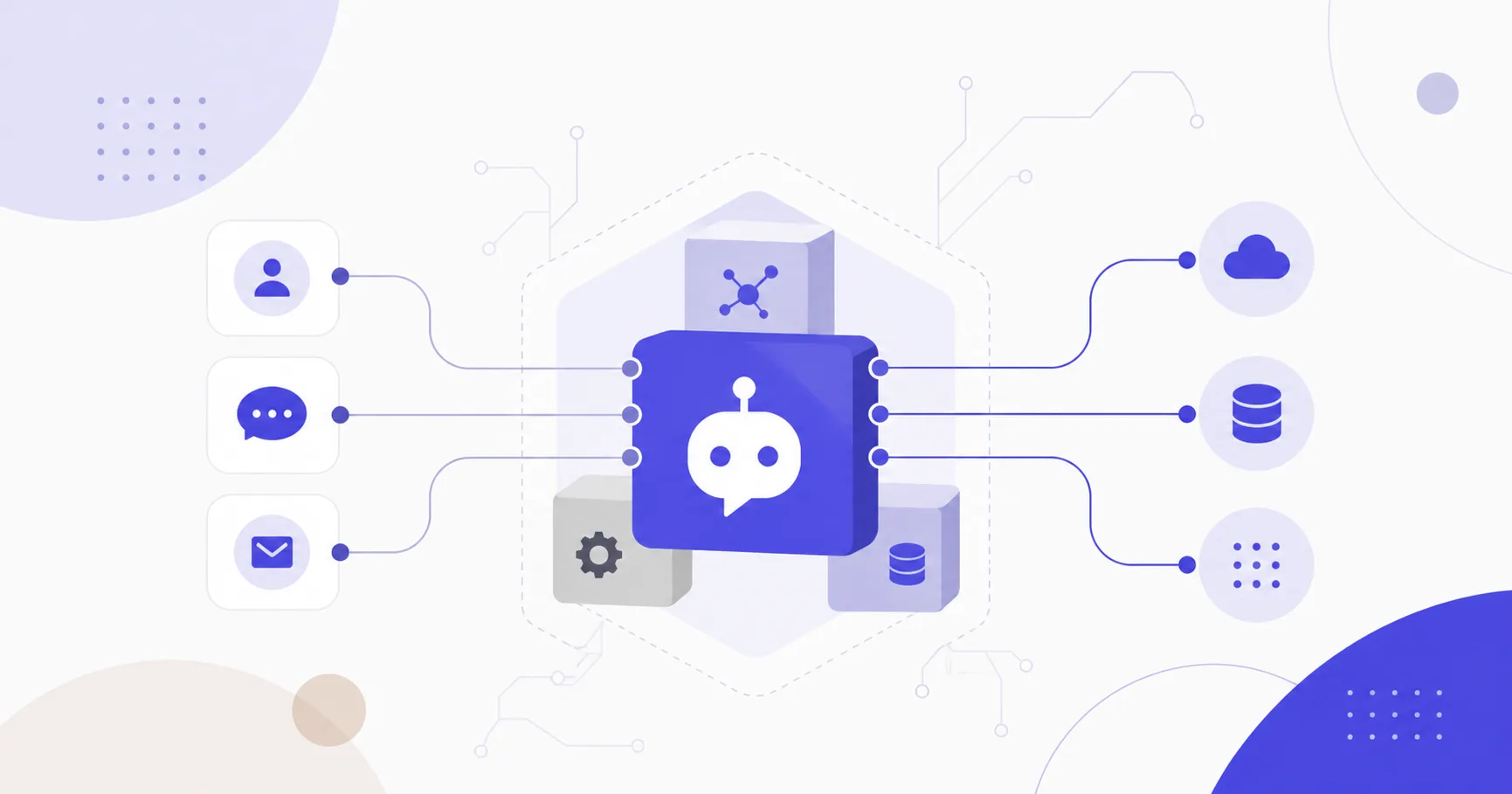
Most AI customer service chatbots are just chat boxes. Learn how to build a real system with intent classification, RAG retrieval, and smart escalation logic.
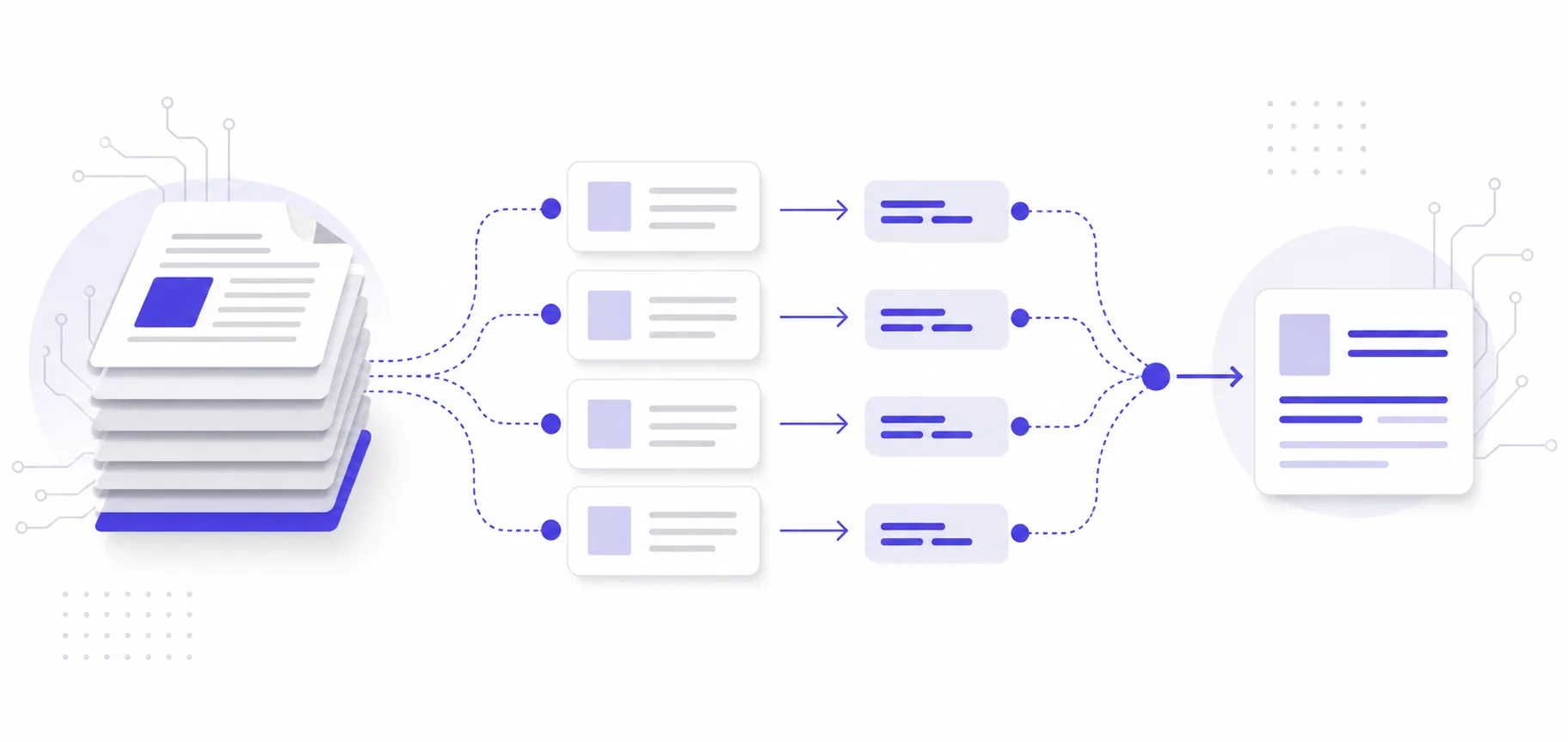
Learn how to summarize long PDFs with a production-ready map-reduce pipeline using Python, LangChain, and any OpenAI-compatible API. Cut costs by 80%.
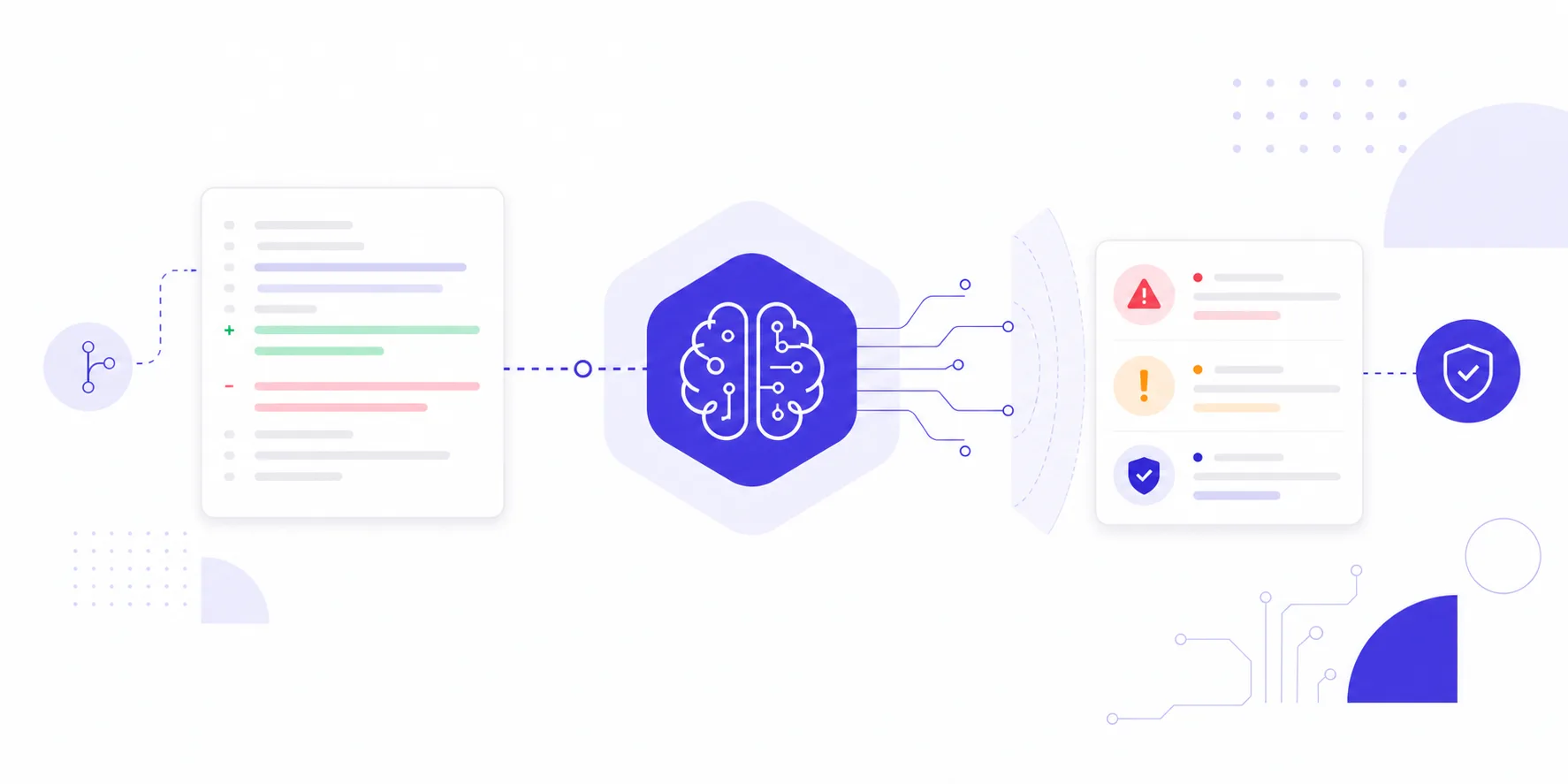
Learn how to automate AI code security review in your PR pipeline using GitHub Actions, structured prompts, and multi-model strategies that actually catch vulnerabilities.
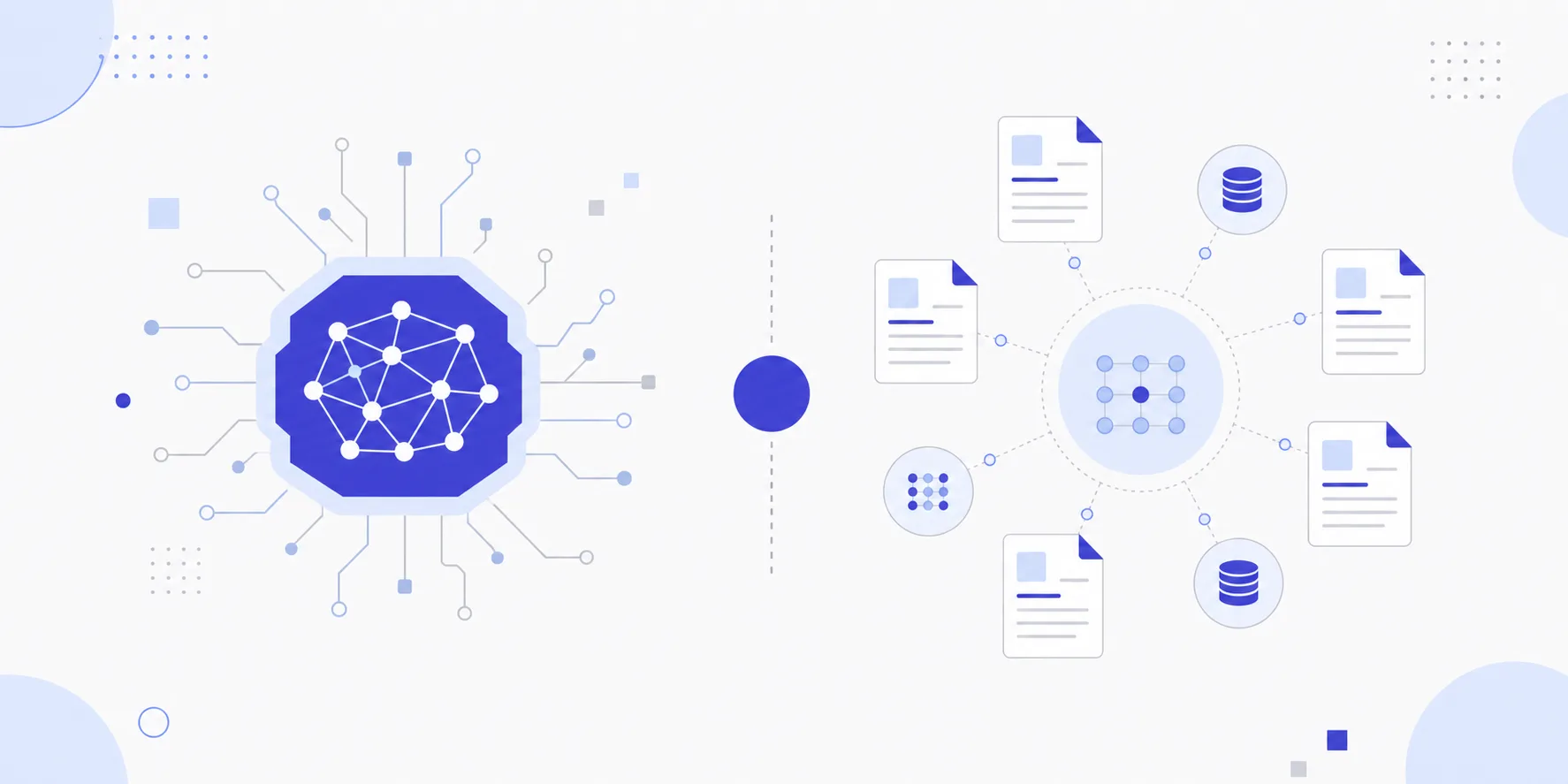
Fine-tuning or RAG for your enterprise knowledge base? Break down the real tradeoffs across data volume, update frequency, cost, and accuracy before you commit.

LLM model drift silently breaks production systems. Learn how to lock versions, harden prompts, and build a monitoring stack that catches drift before users do.

Learn how to red team your LLM app with threat modeling, attack case generation, and an automated testing pipeline that catches safety issues before users do.
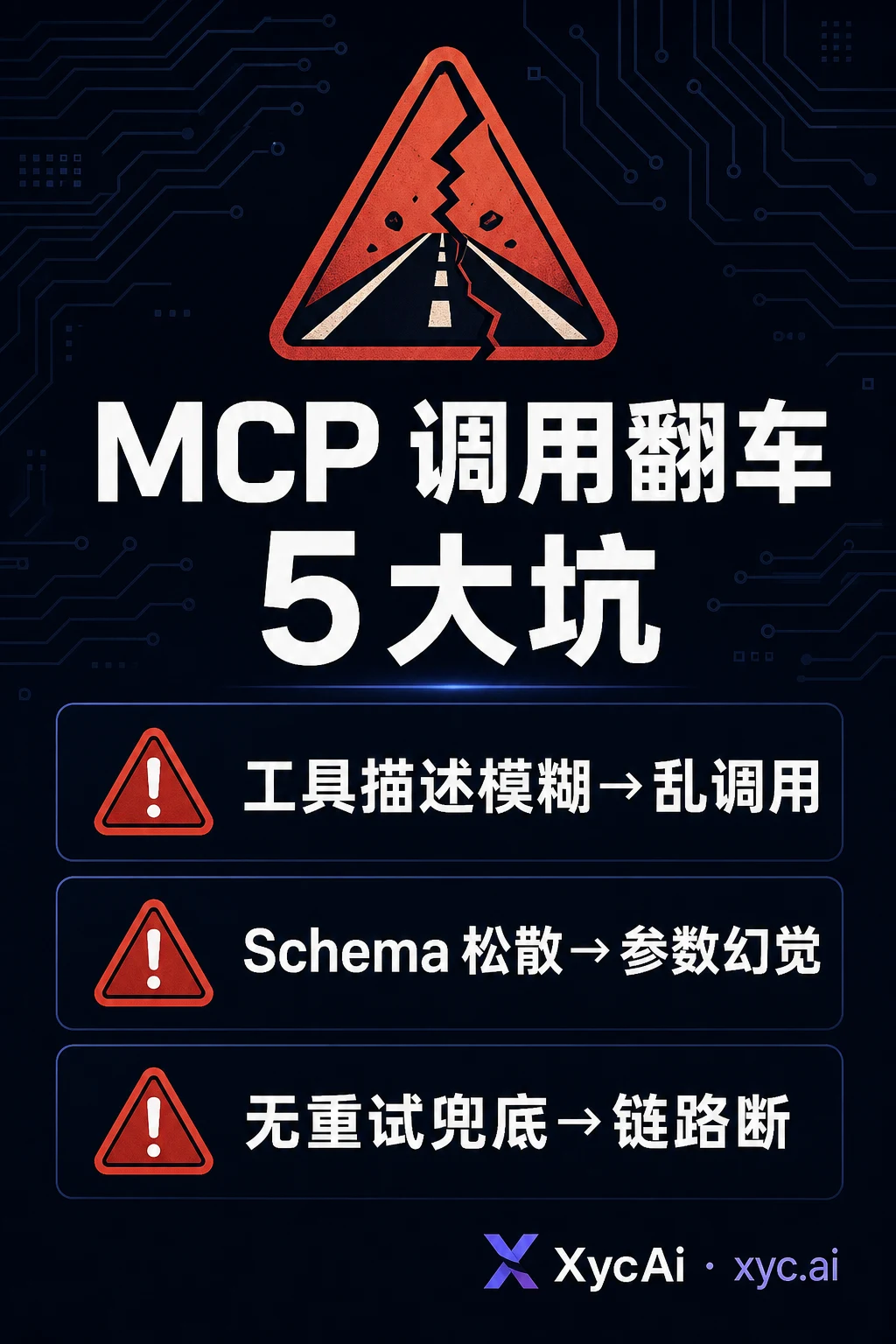
A practical guide to Model Context Protocol (MCP): how it standardizes AI tool calling, how the protocol works end-to-end, and how to build or connect an MCP server.
Reasoning models cost 5–15x more per token. Here's exactly when that premium pays off — and when you're just burning budget on chain-of-thought noise.
Stop losing brand voice between AI writing sessions. This 3-layer prompt system—style anchors, negative constraints, and self-scoring—locks tone across every output.
Same prompt, wildly different results across languages. Here's how to design multilingual LLM prompts that hold up — with a testing framework you can use today.
Token, per-request, or subscription? This AI API pricing model comparison breaks down the real costs so you can pick the right billing structure for your product.
Ship LLM apps that don't break in prod. A practical checklist covering latency, cost, hallucination, safety, and rollback — with concrete thresholds.
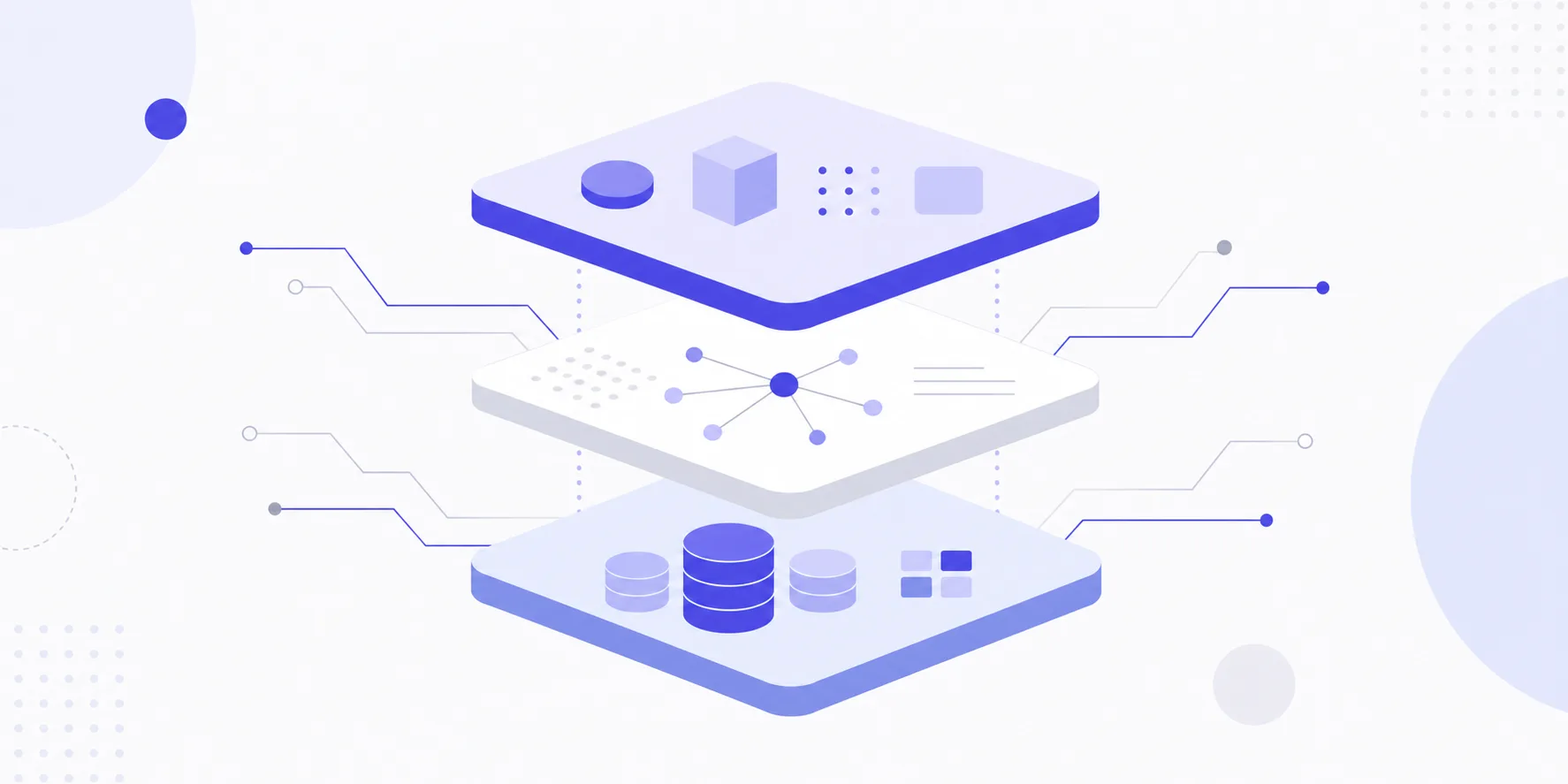
Learn how to ship a production-ready text-to-SQL AI pipeline with schema injection, SQL validation, and multi-layer access control — plus real code examples.
Calling an API isn't a competitive moat. Here's what the real cost breakdown looks like for AI startups and where the barriers to entry actually live.